Rapport on field site of ethnographic research

It goes without saying that all readers of this book are wonderful, generous, out­going, lovable people who would be welcome in communities around the world. But just in case anyone has doubts about his or her ability to fit in, a few pointers may be in order.

  • Don’t assume that communities closer to home or with cultures most similar to your own will be easier to work in. Sometimes the more you are like the people you are studying, the more they will expect of you and the less toler­ant of your oddities (such as your need to collect data) they will be. It may be the case that the more of a stranger you are, the more people will be likely to help you since they will understand that you really don’t always know what’s going on.
  • By the same token, don’t assume that if you are working in a community very much like your own, you know everything there is to know about fitting in.

Don’t take too much for granted.

  • Do not allow yourself to be ‘captured’ by the first people who make you feel welcome. It is only natural to be relieved when someone – anyone! – talks to you and seems to take an interest in your work. But it is sometimes the case that the ones who step out to do so are the community’s deviants or (perhaps even worse) its self-appointed gatekeepers. Becoming too closely associated with these dubious characters may limit your opportunities to get to know everyone else.
  • Therefore, do make sure that the people who serve as your principal guides to the community are people who are themselves respected and liked.
  • Make every effort to be helpful. Reciprocity goes a long way toward establishing and maintaining rapport. Always be prepared to drive someone to work, baby-sit, loan someone money for groceries, and so forth. You needn’t become an all-purpose servant – after all, you do have your own legitimate agenda, not to mention limitations on your own time and other resources – but don’t be so wedded to your agenda that you neglect to act like a real human being interacting with other humans. Remember that some mutual obligations carry more serious implications than others: agreeing to become a baby’s godparent, for example, is a matter of real gravity in some cultures, and you should carefully consider whether you are up to all the implied responsibilities before you agree. It is probably better to decline respectfully than to accept and then renege on implied promises.
  • Take the time to explain your purposes. It is probably the case that not many peo­ple in a study community will readily understand the scholarly principles under­lying your research, but just about everyone can understand your desire to collect information on issues of common concern. Most people are flattered and pleased that you are interested in them and their way of life, but if there are aspects of their way of life that they don’t want to share, don’t force them to do so. Be sure to explain as well any anticipated outcomes of your research (book, movie, museum display, website, etc.) and be forthright in discussing any possible remu­nerations that might be expected by members of the community.
  • Do not be afraid to express your own point of view. You needn’t become a confrontational pest, but remember that real people aren’t always ‘nice’ – they sometimes disagree, and most people respect someone who is honest enough to have a civil discussion with them. By the same token, don’t become so intent on expressing yourself that you and your opinions become the main topic of community concern.
  • Make sure that you recognize and are respectful of the social conventions that are meaningful to members of the community. Learn what is expected of a person of your age, gender, or race and try to act accordingly. If you hon­estly come to feel that such expectations are degrading or otherwise emo­tionally unacceptable to you, the only reasonable response is to end your research and leave with a brief, polite, but clearly stated explanation.
  • Inform people about the parameters of your participant observation: How long do you intend to stay? Do you plan to stay in touch after you leave, and if so, in what ways?
  • If you have brought your own family to the field site, make sure that all mem­bers are comfortable about interacting with their peers while you go about your own activities.
  • If you are working as part of a research team, make sure that you do not become a clubby in-group. Each member of the team should strive to become as much a part of the host community as feasible.

Source: Angrosino Michael (2008), Doing Ethnographic and Observational Research, SAGE Publications Ltd; 1st edition.

Data collection in the field for a ethnographic research

1. ‘Facts’ and ‘reality’

Trained biologists looking at cells under a microscope can come up with accu­rate descriptions of the components of those cells. If they have looked at many cells over the course of time, they can determine which are the intrinsic features of a cell belonging to a certain plant or animal, and which are random deviations. Moreover, there is an assumption that any trained biologist would come to the same conclusions.

Ethnographers can rarely operate with such objective certitude. While we may strive for accuracy, we must always keep in mind that the ‘facts’ of human behav­iors, values, and interactions are sometimes in the eye of the beholder. They can be manipulated, deliberately or otherwise, by the people being studied. The ‘real­ity’ we perceive as ethnographers is thus always conditional; we cannot take it for granted that another ethnographer, looking at the same set of ‘facts’ at a dif­ferent time, will come to exactly the same conclusions.

Some scholars (such as the ‘postmodernists’ discussed earlier) would take the position that striving for ‘accurate’ depictions of social ‘reality’ through the col­lection of objective ‘facts’ is an inherently futile exercise. Statements of reality, they contend, must always be ‘deconstructed’ in order to discern who the observer was, and what his or her biases may have been that caused the conclu­sions to take the form they did. Still other scholars take the position that society is a kind of elaborate game in which observer and observed create ‘reality’ as they interact (much as participants in a game of football play with the objective rules of the game and so come up with a somewhat different game every time); as such their intention is not so much to characterize some sort of timeless ‘real­ity’ but to chronicle a particular snapshot of that reality. They may even be more interested in analyzing the process by which ‘players’ strategize their way through the ‘game’ than with the presumed outcome of the ‘game’.

My remarks in this section are not meant to take one position or the other on these theoretical issues. I will operate on the assumption that whatever interests an ethnographer may have in analyzing his or her data, there is still the necessity to collect data in a systematic form so as to best support his or her arguments.

2. A note on applied ethnography

When a researcher wants to use the results of his or her fieldwork to make rec­ommendations on public policy, or to contribute to the formation and mainte­nance of organizations or agencies that serve the community under study, then he
or she is said to be conducting applied ethnography (see Chambers, 2000, for a complete review of this field). Unlike academic researchers, who can consider the ‘postmodern’ possibilities of ambiguity and deception raised in the previous section, applied ethnographers must proceed from a position of relative certitude. Why, after all, would anyone pay attention to their recommendations for action unless they could back up their assertions with clearly delineated, more or less objective data? So the potential for participant observation research making a real contribution to the world at large is dependent on the ethnographer being able to convince the relevant audience that he or she really does know what is going on in the study community.

In Trinidad, my research on alcoholism in the Indian community led me to rec­ommend to government health planners that public monies would be better spent on public education campaigns designed to encourage people with a problem to seek out their nearest AA group. Spending limited public monies on expensive hospital-based treatment facilities would be a waste, since most Indians would not consider anything that went on in such a setting to be legitimately therapeu­tic. The AA group, based in the kin group and the local village, was for that com­munity a more appropriate setting for recovery.

In the deinstitutionalization study, I was able to use my data to convince pro­gram managers to include sexuality training as part of the habilitation plan. I advocated against making much of the mechanics of sex (basic anatomy, etc.) since such information would likely not be absorbed by the clients. I recom­mended instead that the training focus on relationships, and suggested that ‘classes’ be structured not as didactic lectures but as ‘role-playing’ sessions in which the clients could try out styles of behavior and comment on what they had seen and participated in.

3. Three key skill areas

Although there are, as we shall soon see, a great many specific data collection techniques available to ethnographic researchers, all of them fit into three large categories representing the key skill areas that must be part of the repertoire of all fieldworkers: observation, interviewing, and archival research.

4. Observation

Observation would seem to be the most objective of ethnographic skills, since it seems to require little or no interaction between the researcher and those he or she is studying. We must, however, remember that the objectivity of our five senses is not absolute. We all tend to perceive things through filters; sometimes these filters are an intrinsic part of the research method (e.g. our theories or ana­lytic frameworks), but sometimes they are simply artifacts of who we are: the pre­conceptions that come with our social and cultural backgrounds, our genders, our relative ages, and so forth. Good ethnographers strive to be conscious of – and therefore to set aside – these latter factors, which constitute a perspective we call ethnocentrism (the assumption – conscious or otherwise – that our own way of thinking about and doing things is somehow more natural and preferable to all others). But we can never banish them completely.

In the ideal, observation begins the moment the researcher enters the field set­ting, where he or she will strive to set aside all preconceptions and take nothing for granted. It is sometimes said that the ethnographer becomes like a little child, to whom everything in the world is new. As a result, the process of observation begins by taking everything in and recording it in as much detail as possible, with as little interpretation as possible. (For example, one might observe, ‘The people at the temple were chanting and swaying to the beat of a drum’ rather than ‘The people at the temple were carried away by religious ecstasy.’) Gradually, as the researcher gains more experience in the field site, he or she can begin to discern matters that seem to be important and to concentrate on them, while paying pro­portionately less attention to things that are of lesser significance. It is vital to the outcome of the research that the ethnographer also come to recognize patterns – behaviors or actions that seem to be repeated so that they can be said to be typical of the people being studied (as opposed to unique and perhaps random occurrences).

We may think we all have a natural facility for observing and describing the people and events that surround us. But in fact, what we usually have is a well- developed screening process. When we are functioning in our own everyday worlds, it would simply be inefficient if we paid complete and objective attention to everything, even things very familiar to us. In our own worlds, we learn to focus. That which we do not ‘see’ is almost always greater than that which we do. Notwithstanding the weight we grant to ‘eyewitness’ accounts, the fact is eye­witnesses can be quite unreliable because most of us have gotten used to tuning out most descriptors. So ethnographic observation cannot depend solely on our ‘natural’ facilities. We have to work hard to really and truly see all the many details of a new situation – or (as in the case of the deinstitutionalization study) to see familiar situations through the eyes of those who are in many ways ‘strangers’ to those situations.

Some observational techniques are said to be unobtrusive, which has tradition­ally meant that those under study do not know that they are being observed. Modern standards of ethical research, which include procedures for ‘informed consent’ (which will be discussed in a later chapter), have greatly restricted the scope of truly unobtrusive observation. It is still possible, however, to observe people in public places where you as a researcher can just blend in (e.g. making notes about how people seat themselves in an airport waiting room or a Department of Motor Vehicles office); it is not necessary to explain oneself or obtain permission from people so observed. The study of such spatial relation­ships is known as proxemics; the related study of people’s ‘body language’ is technically known as kinesics (see Bernard, 1988, pp. 290-316 for an extended discussion of unobtrusive techniques). Researchers must, however, be sensitive to matters of privacy even in ‘public’ spaces. It is not likely that anything very inti­mate will happen in an airport waiting area. But conducting proxemic observa­tions in a public restroom might certainly be questionable.

Careful, reasonably unobtrusive observations of proxemic and kinesic behavior can tell us a great deal about the unspoken assumptions of cultures. Among the Trinidad Indians, there is a restricted sense of private space as compared with North Americans. Houses of the more tradition-minded people often lack doors or other partitions demarcating sleeping areas from other living areas. On the other hand, the people are quite distant and reserved in terms of interpersonal space: there is very little hugging, hand-holding, or other forms of emotional expression, at least in public places. Keeping ‘good posture’ seems to be important and children are some­times explicitly reprimanded for ‘slouching around’. A rather formal conversational distance is maintained in most circumstances. Indians sometimes express disdain for non-Indian Trinidadians who, they say, ‘are all over you all the time’.

Adults with mental retardation often have not mastered the nuances of expected proxemic and kinesic behavior typical of the mainstream in the United States. Indeed, among the most important cues marking people as ‘retarded’ are those having to do with improper use of spatial and body language. People with mental retardation tend to be very vigorous touchers and huggers – they often seem to ‘invade the space’ of others. On the other hand, they seem to have a par­adoxically highly developed sense of their own personal space. If one of the men in the program had his own room – or even his side of a shared room – he would defend it passionately and sometimes fly into a rage if anyone came into it with­out being explicitly invited.

There are other kinds of unobtrusive research that are still ethically defensible. For example, behavior trace studies are very much like archeological excava­tions, but among the living. There has been much publicity about ‘garbology’ projects – research based on sifting through people’s trash in order to find clues about how they live. One might question how truly ‘unobtrusive’ such a project could be (I, for one, would definitely notice teams of researchers picking through my garbage and perhaps even give some second thoughts to what I am throwing away), but even if the subject knows that he or she is being studied and gives per­mission for researchers to proceed, there need be no further interaction between researchers and subjects.

Given the ethical concerns about absolutely ‘unobtrusive’ observation (as even the most innocuous project could be considered ‘deceptive’ under some circum­stances), ethnographers rely much more frequently on observations of settings in which they are known to the participants and in which they may well be engaged in the activities themselves (participant observation). But just because the behav­ior of people in a research setting unfolds in a seemingly haphazard fashion (or so it may seem to the ‘little child’ researcher at the beginning of a field study), this does not mean that the observational process itself should be haphazard. Good ethnographic observation necessarily involves some degree of structure. At minimum, researchers should cultivate the habit of taking well-organized field notes that include:

  • a statement about the particular setting (e.g. school, home, church, store);
  • an enumeration of the participants (number, general characteristics, e.g. ages, genders);
  • descriptions of the participants (rendered in as nearly objective a form as pos­sible: ‘The man wore a torn, dirty pair of pants’, not ‘The man looked poor’);
  • chronology of events;
  • descriptions of the physical setting and all material objects involved (in great detail, taking nothing for granted);
  • descriptions of behaviors and interactions (avoiding interpretations: ‘The man was weeping and repeatedly struck his head with his fist’, not ‘The man looked deranged’ – particularly if video recording equipment is not possible);
  • records of conversations or other verbal interactions (as near to verbatim as possible, particularly if it is not feasible or desirable to have a tape recorder running).

Some projects involving multiple members in a team approach rely on finely tuned and standardized note-taking processes. But even if you are on your own, you should train yourself to be as meticulous as possible in recording data. The more nearly your records of observations at selected sites contain the same infor­mation, the more efficient it will be to retrieve and compare data.

My research on alcoholism as a factor in the lives of modern Trinidad Indians led me to numerous observations at meetings of Alcoholics Anonymous, which had been imported to the island from the United States in the 1960s. Keeping structured notes enabled me to readily answer such questions as: What is the average age of the ‘recovering’ Trinidad Indian alcoholic? (45-50 years). Is there a particular order of speakers? (yes, those only briefly sober speak first, building up to those with many years of documented sobriety whose ‘witness’ is therefore surrounded by greater solemnity). Are Indians the island’s only alcoholics? (no, but they are – with extremely rare exceptions – the only ones who attend AA meetings). What is the role of women? (they provide refreshments, but do not speak). I was not, strictly speaking, a ‘participant’ observer at AA meetings since I am not a recovering alcoholic. But I was brought to my first meetings by informants who did fit that category, and who introduced me to the membership at large. After a while my presence became an accepted thing.

I spent several years as a participant observer (as a volunteer tutor) in class­rooms where adults with mental retardation were being taught basic skills. Since I was ‘participating’, I had less opportunity to make detailed notes while on site, and therefore had to cultivate the skill of reconstructing my observations as soon as possible thereafter. The keeping of structured notes was especially helpful when I began observing other programs in my own area (e.g. those that served only people with mental retardation as opposed to the program that dealt with ‘dually diagnosed’ clients) and programs in other states where somewhat different laws and standards of care were in operation. The structured observa­tions in all these settings made it possible to compare and contrast behaviors and interactions that seemed to be dependent on factors beyond the clients’ control, such as the requirements of various bureaucratic systems (e.g. criminal justice, education).

A note on notes

The importance of keeping structured and organized field notes when conducting observational research cannot be overemphasized, whether one is doing the research solo or as part of a team. It is worth keeping in mind the following points about maintaining field notes:

  • Make sure that every note ‘card’ (or whatever format you find most congen­ial for recording) is headed by the date, place, and time of observation.
  • Be sure to record as many verbatim verbal exchanges as possible; nothing conveys the sense of ‘being there’ more than the actual words of the participants.
  • Use pseudonyms or other codes to identify participants in order to preserve anonymity and confidentiality – you never know when unauthorized people might try to sneak a peek. One piece of advice from bitter personal experi­ence: don’t make your code system so complex and obscure that even you can’t reconstruct the cast of characters.
  • Be sure to record events in sequence; some researchers find it helpful to divide their notepad (the same advice goes for those who take notes directly onto laptop computers) into hours or even minutes so that they can precisely place actions in order.
  • Keep all descriptions of people and material objects on an objective level; try to avoid making inferences based solely on appearances (See Adler and Adler, 1994, and Angrosino and Mays de Perez, 2000, for more comprehen­sive reviews of the theory, methods, and ethical ramifications of observa­tional research.)

5. Interviewing

The hallmark of observational research, as noted several times in the previous section, is to record details in as nearly objective a descriptive manner as possible, avoiding interpretations and inferences, and setting aside one’s own preconceptions. The ethnographer ultimately comes to a point of recognizing or inferring meaningful patterns in observed behaviors. But the inevitable next question is: what, exactly, do those behaviors mean? At that point, it is necessary to start asking questions of knowledgeable people in the community or group under study. Interviewing thus grows logically out of observation.

We have noted that while observation seems to be nothing more than what we do in everyday life, it really requires a heightened degree of consciousness, awareness of fine-grained detail, and the careful recording of structured, organ­ized data in order for it to be useful as a research tool. In a similar fashion, we might be tempted to think that interviewing, which is a kind of conversation after all, is something we can all do. Moreover, we see ‘interviews’ all the time on TV – it all looks so effortless. Why, then, would anyone call the sort of in-depth, open-ended interviewing typical of ethnographic research ‘the most technically challenging and, at the same time, the most innovative and exciting form’ of data collection? (This is a position taken by Stephen Schensul, Jean Schensul, and Margaret LeCompte in the comprehensive, multi-volume, widely used Ethnographer’s Toolkit.) It is clear that there is more to ethnographic interview­ing than having an ordinary conversation such as you would have with a friend; it is also different in some way from the sort of TV interview in which both inter­viewer and celebrity subject are more or less following a predetermined script and have tailored their remarks to fit a limited time frame.

Ethnographic interviewing is indeed conversational in the sense that it takes place between people who have grown to be friends as the ethnographer has been a participant observer in the community in which his or her respondent lives. In that sense, it is different from the kind of interviewing that might be done by a news reporter prying information from a ‘source’. It is certainly not the same as a police officer grilling a suspect or a lawyer interrogating a witness or a health care professional taking a medical history from a patient. But on the other hand, it must necessarily go beyond the parameters of an ordinary friendly conversa­tion, since the researcher does need to find out certain things and must be vigi­lant in keeping the conversation on track – all without seeming to be coercive or impatient.

The ethnographic interview is therefore typically open-ended in nature – it 42 flows conversationally and accommodates digressions, which may well open up new avenues of inquiry that the researcher had not originally considered. In that sense it is a kind of partnership in which the informed insider helps the researcher develop the inquiry as it goes along.

The ethnographic interview is also conducted in depth. It is not merely an oral version of a shotgun survey questionnaire. Instead, it is intended to probe for meaning, to explore nuances, to capture the gray areas that might be missed in either/or questions that merely suggest the surface of an issue.

In order to make an interview work for maximal ethnographic results, the inter­viewer should prepare by reviewing everything he or she already knows about the topic at hand and coming up with some general questions that he or she wants to know more about. These questions should not harden into a checklist of survey items, but should serve as a guide for the main points of the conversation. Although the interview may be unstructured (in the sense of not being tethered to a formal set of survey questions), it is by no means haphazard. In addition to the open-ended questions with which the interviewer enters the encounter, there will be a variety of probe questions designed to keep the interview moving in pro­ductive directions. Some examples of useful probes include:

  • neutral acknowledgements (‘Yes, I see … ’);
  • repeating what the person has said as a question to make sure that you have understood correctly (‘So your family built the house on that side of the vil­lage in order to be nearer to the shrine?’);
  • asking for more information (‘Why did your older brother think he needed to go to England for further study?’);
  • asking for clarification of apparent contradictions (‘You told me you were born in 1925 but you described the arrival of the last indenture ship [which was in 1917] … ’);
  • asking for an opinion (‘You described your teenage daughter going out on dates. What do you think of the way young people act nowadays?’);
  • asking for clarification of a term (‘You talk about “liming” along the road. What, exactly, does that mean?’ [idling with a gang of friends, usually with alcohol involved]), or a complex process (‘Please take me one more time through the steps in refining sugar cane into molasses’);
  • asking for lists of things in order to get a better sense of how insiders cate­gorize and organize the world around them (‘What kinds of beverages besides rum do they sell in a “rum shop”?’);
  • requesting narratives of experience – concrete anecdotes that illustrate a gen­eral point (‘You speak of boys being “led astray” by drink. Can you tell me about a particular time when you felt you were “led astray”?’).

Complementing these positive steps that you can take to make an interview work, there are several things to avoid – things that might add up to interviewer bias. For example, do not:

  • ask leading questions (‘Aren’t you ashamed of all the bad things you did when you were drinking heavily?’);
  • ignore leads when the interviewee introduces new themes that seem impor­tant to him or her;
  • redirect or interrupt a story;
  • ignore the interviewee’s non-verbal cues (e.g. signs of boredom or anger);
  • ask questions that seem to tell the interviewee the answer you want (‘Don’t you agree that AA has accomplished a great deal for the benefit of alcoholics in Trinidad?’);
  • use non-verbal cues (e.g. vigorous nodding of the head, leaning over to shake the interviewee’s hand) to indicate when the interviewee has given you the ‘right’ answer.

In addition to these specific techniques designed to keep the interview flowing, there are several points that speak to the overall ‘etiquette’ of conducting an interview:

  • Try to avoid interjecting yourself too much into the narrative. Some manuals advise against ever expressing your own opinions, but I would not go so far – you are, after all, a real person with your own perspective, and you will not likely impress the person you are talking to if you act like a blank wall. But neither should you use the interview as a forum for expounding your own ideas or criticizing or belittling the ideas of the person you are interviewing.
  • Maintain good eye contact. This does not mean staring fixedly at the person you are interviewing – doing so would probably only convince the intervie­wee that you are a lunatic. ‘Normal’ eye contact involves occasionally glanc­ing away. But it certainly does not include prolonged periods of staring off into space, minutely examining your tape recorder, intently writing notes, or fiddling with your computer.
  • Try to monitor and avoid undesirable non-verbal cues (e.g. facial gestures that indicate disgust or disapproval, moving your chair away from that of the person you are talking to).
  • Spend some time in ice-breaking chit-chat. Plunging directly into the inter­view tends to give the session a police-grilling quality. Allow for some getting-to-know-you time (which may be shorter or longer depending on the mood of the person you are interviewing or the amount of time you have allotted for the session) even if it appears that the topic of such ‘small talk’ is somewhat off track. In fact, in participant observation research, nothing is ever really completely off track – important proxemic and kinesic cues, as well as clues about people’s values and attitudes, often come through in these unguarded conversational moments. So even if the conversation appears casual, you cannot be completely ‘off duty’.
  • Accept hospitality when offered. Many ethnographic interviews are held in homes, restaurants, or other places where people normally meet to talk (i.e. not sterile labs, imposing offices, or hushed libraries) and it is only nat­ural to share some refreshment as long as it comes in the form of manageable snacks – if a large, elaborate meal is in the offing, it is better to postpone the interview.
  • Be aware of the condition of the person you are interviewing; do not overtax those who are in frail health or otherwise distracted, no matter how much you would like to adhere to your own agenda.
  • Do your homework! While you may not yet have developed your own in­depth understanding of the people and their way of life when you begin your interviews, you should at that point not be completely in the dark. There will be things you have observed that you want to ask about – events, behaviors, expressed points of view that you will want to pursue and clarify. By this point you should know something about the major social institutions in the community, as well as something about the history of the group. You should also have at least a rough idea of who is who in the community and how they relate to one another.
  • Personalize the interview. Ask the person you are talking to to share photos, scrapbooks, and other memorabilia that lend a personal touch to the com­mentary. You may also want to ask the interviewee’s permission to borrow those materials to copy or study further. If so, the originals should always be returned promptly and in the same condition as you received them. (If these items are of particular historical or cultural value, you may want to discuss with the interviewee the possibility of donating them to a museum, library, or other appropriate public institution.)

Some specialized interview types

The general instructions for the ethnographic interview as outlined above will serve well in most cases, but there are some situations in which specialized vari­ants on the interview method are helpful.

The genealogical interview was a staple of traditional anthropologists (and other social scientists interested in the lives of people in non-urban settings) because kinship – the ties of family and marriage – were often central to the ways in which ‘pre-modern’ communities were organized. The systematic collection of genealogical data could be used to elicit information about the patterns of inter­personal relations in the community. It could also be applied to studies of rules of descent (including ownership of property), marriage, and residence, as well as to studies of migration patterns and religious practices.

Kinship is rarely as central to modern urban communities as it was in the small-scale folk societies of earlier times. But even with increased mobility, the ‘ties that bind’ are merely attenuated, not absent. ‘Blood’ and marriage may no longer define a person’s place in the world, but the ways in which people estab­lish and maintain relationships with one another are still governed by definable patterns and expectations – they are not random or disorganized. And so the tra­ditional genealogical method has evolved into the social network analysis, which traces the connections among people in extended situations (such as members of the geographically widely dispersed Indian ‘diaspora’), often relying on sophisti­cated computer models to sort out these widely ramified links. Although in such cases the analysis per se needs to be done by complex technology, the data are initially generated by the same old-fashioned ethnographic means – asking peo­ple questions about their relationships – that characterized the genealogical stud­ies of several decades ago.

Using genealogical interviewing methods, I was able to determine that the pattern of sponsorship in the Trinidad AA operated through kinship lines. A man’s drinking partners were likely to be close relatives (especially his cousins on his father’s side) and when any one of them decided to seek sobriety, he would sponsor other mem­bers of the group. It happened that many of the regional AA groups were in fact com­posed of the members of what had once been a kin-based ‘drinking crew’.

It was very difficult to elicit genealogical information from the adults with mental retardation, but from what I was able to glean I was able to see that those who rec­ognized a strong kin network were usually more successful in completing their train­ing than those who felt disconnected from even abandoned by their relatives. While not conclusive by any means, such an insight could form the basis for a more struc­tured survey that could at a later date either confirm or disprove the association between strength of family ties and successful completion of a habilitation program.

Oral history is a field of study dedicated to the reconstruction of the past through the experiences of those who have lived it. While those with political or economic power often write their memoirs of great events, the ordinary people have often not had the opportunity to tell their stories. Oral history therefore pro­vides a way for those previously marginalized and rendered voiceless (e.g. women, members of minority groups, the poor, people with disabilities or of alternate sexual orientation) to put their stories on the record. The oral history interviewer brings together as many of the surviving participants in a given event of some significance (be it local, regional, national, or international) and gives them the opportunity to tell their personal stories – all of which together form a mosaic representation of that event. That representation may give us a different picture from that enshrined in the official history books and thus help put that official picture into a larger perspective.

A variant of oral history interview is the form of research known as the life- history. Rather than aim at a composite reconstruction of a particular event as in oral history, life history attempts to see the past through the microcosm of the life of one particular individual. Depending on the theoretical predisposition of the researcher, that individual could either be a ‘typical’ or ‘representative’ member of his or her community (such that his or her life story stands in for all those whose stories are not recorded) or an ‘extraordinary’ person (who represents the values and aspirations of the group).

The analysis of the extended narratives generated by oral and life-history research has been aided considerably by the development of computer software designed to pull out themes and patterns. But as in social network studies, no mat­ter how sophisticated the technology of analysis has become, the generation of data remains at heart the product of a traditional ethnographic interview.

My understanding of how and why the Trinidad Indians had become alcoholic despite a heritage of anti-alcohol culture was shaped by the oral history I col­lected from men who were in their forties and fifties at the time of my original research. They remembered back to the days of the second World War when Trinidad was used as a base by the U.S. air force. Trinidad was not in the thick of the war, and the young airmen had a lot of time on their hands – time they used by succumbing to the sensual pleasures of a tropical island. It was they who intro­duced the strongly American-influenced ‘rum and Coca Cola’ culture of conspic­uous consumption and hedonism. The young Indian men of that generation saw that the old colonial plantation system was a dead end, and they eagerly sought the jobs provided at the air base. But along with the jobs came the lifestyle they saw among the Americans. Drinking was no longer a taboo – it became part and parcel of the young Indians’ embrace of new economic potentialities.

Life histories form the basis of my research into the experiences of deinstitu­tionalized adults with mental retardation. Since my aim was to understand what it feels like to be mentally challenged in a complex, high-tech world, I could do no better than to see how people diagnosed with that condition had confronted the challenges of life. Unlike a clinical interview, which would focus on the specifics of the handicapping condition, a life-history interview gave the respondents the opportunity to talk about what was important to them in the course of their lived experiences. It was thus that I was able to discover the very strong concern about sexuality and the development of truly adult relationships.

While the classic ethnographic interview is open-ended in nature, as described above, it is also possible to conduct semi-structured interviews, which use prede­termined questions related to ‘domains of interest’ (e.g. ‘What are the ways peo­ple earn a living in this village?’, ‘What types of community-based programs are available to deinstitutionalized adults with mental retardation?’). Unlike the open-ended interview, which can roam rather freely around the area delineated by the general research questions, the semi-structured interview sticks closely to the prearranged topic and features questions designed to elicit information specifically about that topic. Digressions and new directions, so important in the open-ended interview, are not part of the semi-structured interview plan. The semi-structured interview should naturally develop out of an open-ended inter­view, following up and clarifying issues that came up in the course of the earlier, more conversational format.

The semi-structured interview may also be used to operationalize general factors into measurable variables, which can then be developed into working hypotheses, which in turn form the basis for a formal ethnographic survey (a closed-ended instrument designed to collect quantitative data from a relatively large number of informants). The mechanics of quantitative research are treated in the books by Flick (2007a, 2007b) in this series. The important point to keep in mind here is that in ethnographic research the large-scale survey with hypothe­ses testable through quantified data is an outgrowth of prior open-ended observa­tions and interviews; it is not a stand-alone method. Its strength is dependent on the value of the qualitative data that inform it (see Kvale, 2007, for more details of doing interviews).

A note on sampling

While there are recognized canons for determining the size of a population to be sampled in a purely quantitative study, the question of ‘How many [people should I interview, events should I observe]?’ can become something of a problem in ethnographic research. The best answer – although not necessarily the neatest or most definitive one – is that

As general as that rule may be, there are a few specific points you may wish to consider. Your sample should reflect the heterogeneity of the group you are studying. If it is a very diverse population, then you will need to interview and observe more in order to be sure that you have a good overview of all the differ­ent elements within the group. In a purely homogeneous group, a single person case study would be a legitimate ‘sample’. But as most study communities are in fact diverse to one degree or another, you should be aware of the range of varia­tion and include interviews and observations that reflect that range.

A note on recording interview data

Interview data are typically recorded on audiotape. Taping is a way of assuring the accuracy of what is said and, in the case of oral/life histories, it is essential to have the actual spoken voice available for replay. It should be noted, however, that audiotaping requires a fair amount of equipment (a recorder, possibly an external microphone, blank tapes, working batteries or an available electric 48 outlet) that may not always be feasible to acquire and tote around. While it is possible nowadays to buy reasonably inexpensive, more or less unobtrusive, but good-quality audiotape equipment, the cost of equipment goes up when one needs higher quality (e.g. for recording those voices that in and of themselves need to be preserved for posterity). Moreover, recorded tapes are only the begin­ning of a process; tapes need to be indexed and, in most cases, transcribed so that information can be efficiently retrieved from them. At best transcription is a slow, tedious process and the average researcher will have neither the time nor the skill to do it properly. On the other hand, the services of a professional transcriber can price a project out of the ballpark.

Although more and more ethnographers are using videotape to record a vari­ety of social interactions, it has not become a standard way of recording interviews, except among those who plan to use their interviews as part of filmed documentaries or other visual reports, or those who are particularly interested in capturing and analyzing the non-verbal aspects of the conversation. Although videotape equipment is readily available and not necessarily very expensive, it makes the transcription process even more difficult than is the case with audio­tape. Moreover, videotaped interviews present serious problems when maintain­ing the confidentiality of participants is at issue.

Unless one is an expert stenographer – and such people are becoming rare to the point of extinction – it is usually impossible to keep an accurate written record of an interview. Even if one were such an expert, it would be inadvisable to rely on such a technique as the researcher would then be spending an inordinate amount of time looking at his or her notepad, and thus losing valuable eye con­tact with the person being interviewed. An occasional jotted note is fine, but a complete written record is neither feasible nor desirable for most ethnographic interviews.

So, for better or worse, the audiotape remains the most valuable adjunct to the conduct of interviews and to the subsequent retrieval and analysis of the inter­view data. (See Schensul et al., 1999, pp. 121-200, for a thorough exposition of the theory and method of ethnographic interviewing.)

6. Archival research

Individuals and groups tend to collect stuff relevant to their histories, achieve­ments, and future plans. Sometimes the stuff is highly organized (e.g. minutes of meetings of a board of directors, family photo albums lovingly maintained by an ardent genealogist, back issues of newspapers). But more often than not it is sim­ply stored rather haphazardly and is thus often in a poor state of preservation. The challenge to the ethnographer is to find such sources of information, to make sense of them (in the likely event that they are not already organized), and to assist in their preservation for future researchers.

Some archived materials were originally collected for bureaucratic or admin­istrative purposes. These are known as primary sources and may include:

  • maps
  • records of births, deaths, marriages, real estate transactions
  • census, tax, and voting rolls
  • specialized surveys
  • service system records from human service organizations
  • court proceedings
  • minutes of meetings.

It should be noted that even if these materials are highly organized and in a good state of preservation, they were not likely collected for the same purposes that animate the researcher. So the latter must still sort through them to get them to tell the story that he or she needs to hear.

Another potentially important form of archival data are the secondary data resulting from another researcher’s study. For example, a colleague who did fieldwork in Trinidad the year before I arrived had collected a great deal of genealogical information in support of her study of the transmission of certain genetic illnesses. I was not interested in genetics, but I was able to use the data she graciously loaned me to support my growing suspicion about the link between kinship ties and AA sponsorship. The fruits of many research projects are now available in excerpted and catalogued form on computerized databases. The Human Relations Area File is perhaps the best known of these sources of cross-cultural information.

Archival research rarely stands alone as an ethnographic skill, although it can certainly be the basis of a respectable stand-alone study if first-hand fieldwork is not feasible. But accessing and interpreting archived materials is almost always facilitated when the researcher does have first-hand experience in the community under study, and when he or she can check inferences made from the archived data in interviews with living members of the community under study.

There are several advantages to archival research:

  • It is generally non-reactive. The researcher does not influence people’s responses, since he or she is not interacting directly with the people who pro­vided the information.
  • It is usually relatively inexpensive.
  • It is particularly important when one is interested in studying changing events or behaviors through time.
  • It is also valuable when studying topics that might be considered too sensi­tive or volatile to observe or ask questions about directly.

On the other hand, the ethnographer using archived material should be aware of some potential problems.

  • Archived data are not always unbiased: Who collected it? For what purposes? What might have been left out (intentionally or otherwise) in the collection process? Even haphazard collection results from a process of editorial selec­tion; the researcher who comes along later is therefore not dealing with ‘pure’ information.
  • Even modern computerized databases are not always free of error: just because the information has been carefully transcribed does not mean that it was accurate to begin with.
  • There can be physical or logistical problems in working with these data, which may be stored in inconvenient or physically unattractive (dusty, dirty, rat- or roach-infested) places.

Despite these caveats, however, archived data are simply too rich a resource to be ignored. (Berg, 2004, pp. 209-32, provides an excellent overview of the use of archival materials in ethnographic research.)

Source: Angrosino Michael (2008), Doing Ethnographic and Observational Research, SAGE Publications Ltd; 1st edition.

A definition of observation

We have seen that ethnographic research is a judicious mix of observation, inter­viewing, and archival study. Since other volumes in this series will treat the latter two in some detail (see Kvale, 2007; Rapley, 2007), we will take a closer look at observation here, both in its participant and non-participant aspects.

The key role of observation in social research has long been acknowledged. Indeed, our human ability to observe the world around us forms the basis for our ability to make commonsense judgments about things. Much of what we know about our surroundings comes from a lifetime of observation. However, obser­vation in the research content is considerably more systematic and formal a process than the observation that characterizes everyday life. Ethnographic research is predicated on the regular and repeated observation of people and situations, often with the intention of responding to some theoretical question about the nature of behavior or social organization.

A simple dictionary definition may serve to help us situate observation as a tool of research. That is:

Implicit in this definition is the fact that when we make note of something, we do so using all of our senses. In everyday usage, we often restrict observation to the visual, but a good ethnographer must be aware of information coming in from all sources.

Source: Angrosino Michael (2008), Doing Ethnographic and Observational Research, SAGE Publications Ltd; 1st edition.

Types of observational research

Although in its earliest manifestations as a research tool observation was sup­posed to be ‘non-reactive’, in fact observation presupposes some sort of contact with the people or things being observed. Ethnographic observation (as opposed to the sort of observation that might be conducted in a clinical setting) is con­ducted in the field, in naturalistic settings. The observer is thus, to one degree or another, involved in that which he or she is observing.

This question of degree speaks to the kind of role adopted by the ethnographer. The classic typology of researcher roles is that of Gold (1958), who distinguished four categories:

  • In the complete observer role, the ethnographer is as detached as possible from the setting under study. Observers are neither seen nor noticed. Such a role was thought to represent a kind of ideal of objectivity, although it is pretty much out of favor because it can lend itself to deception and raise eth­ical issues that contemporary researchers try to avoid. Nevertheless, some interesting and valid examples of the genre continue to appear, such as Cahill’s (1985) study of interaction order in a public bathroom. This study was concerned with routine bathroom behavior. Over a nine-month period, Cahill and five student assistants observed behavior in the bathrooms of shopping malls, student centers on college campuses, and restaurants and bars.
  • The observer-as-participant role finds the researcher conducting observa­tions for brief periods, perhaps in order to set the context for interviews or other types of research. The researcher is known and recognized, but relates to the ‘subjects’ of study solely as a researcher. For example, Fox (2001) conducted observations in a prison-based group designed to encourage ‘cognitive self-change’ among violent offenders. Fox’s research purposes were explained to and endorsed by the state Department of Corrections, as well as by the facilitators and members of the group. ‘Although I interact with other participants,’ she says, ‘most of the time I take notes quietly.’
  • The researcher who is a participant-as-observer is more fully integrated into the life of the group under study and is more engaged with the people; he or she is as much a friend as a neutral researcher. His or her activities as a researcher are still acknowledged, however. For example, Anderson (1990) and his wife spent fourteen summers living in two adjacent communities, one black and low-income, the other racially mixed but becoming increasingly middle-to-upper income and white. During this time he developed a study of interactions involving young black men on the streets of the two communi­ties. Those young men were aware of the stereotype evoked by their status, and resented the way they were treated (i.e. avoided) by others who assumed they were dangerous; but they were also able to play up that presumed char­acter in order to achieve certain advantages in some circumstances.
  • When the researcher is a complete participant, however, he or she disappears completely into the setting and is fully engaged with the people and their activities, perhaps even to the extent of never acknowledging his or her own research agenda. In traditional anthropological parlance, this stance was somewhat disparagingly referred to as ‘going native’. On the other hand, there is considerable support for the development of ‘indigenous fieldwork’, that is, research conducted by people who are members of the culture they study (da Matta, 1994, has discussed this matter in some detail). It is sometimes assumed that a ‘native’ of the culture will achieve greater rapport with the people being observed, although that is not necessarily the case, as sometimes ‘blending in’ totally fatally compromises the ability of the researcher to conduct the research. It is an interesting paradox that at both ends of the continuum – whether the researcher is fully engaged in or completely detached from the setting – ethical problems related to deceptive practices may arise. As a result, most ethnographers position themselves somewhere within the second two roles.

Given the focus on those two forms of engagement, it is not surprising that analysts now tend to discuss roles in terms of membership (see, e.g., Adler and Adler, 1994):

  • Researchers who adopt peripheral membership observe and interact closely with the people under study, and thereby establish identities as insiders, but they do not participate in those activities constituting the core of group mem­bership. For example, researchers studying drug culture on the streets of a big city would need to establish themselves as people who are known and can be trusted, even though it is understood that they will not use or sell drugs them­selves (see, e.g., Bourgois, 1995).
  • By contrast, those who adopt an active membership role do engage in those core activities, although they try to refrain from committing themselves to the group’s values, goals, and attitudes. For example, the anthropologist Christopher Toumey (1994) studied a group of creationists; he participated fully in their meetings and socialized freely with them at their homes, although he made it clear that as an anthropologist he could not agree with their philosophical position on the theory of evolution.
  • Researchers who take on complete membership, however, study settings in which they are active and engaged members. They are also often advocates for the positions adopted by the group. For example, Ken Plummer (2005) discusses the ways in which he came out as a gay man, became involved with a political movement to reform laws about homosexuality in his native Britain, and began to study the gay scene in London in the late 1960s.

Ethnographic research in which the researcher adopts one of these membership roles may be termed participant observation, which is a ‘process of learning through exposure to or involvement in the day-to-day or routine activities of par­ticipants in the research setting’ (Schensul et al., 1999, p. 91). We should not, however, think of participant observation as a research method; it is, rather, a ‘strategy that facilitates data collection in the field’ (Bernard, 1988, p. 150). The term is a combination of the role of the researcher (participant of some sort) with an actual data collection technique (observation). Researchers may, of course, use other data collection techniques (surveys, archival searches, interviews) while they are participants in the community under study; but the assumption is that even as they do these other things, they are still being careful observers of the people and events around them.

Source: Angrosino Michael (2008), Doing Ethnographic and Observational Research, SAGE Publications Ltd; 1st edition.

The task of observational research

Observational techniques are suitable for research dealing with

  • specific settings (e.g. a shopping mall, a church, a school);
  • events, which are defined as sequences of activities longer and more complex than single actions; they usually take place in a specific location, have a defined purpose and meaning, involve more than one person, have a recog­nized history, and are repeated with some regularity; a Presidential election in the United States is an example of an ‘event’ in this sense;
  • demographic factors (e.g. indicators of socioeconomic differences, such as types of housing/building materials, presence of indoor plumbing, presence and number of intact windows, method of garbage disposal, legal or illegal sources of electrical power).

In order to function as an observer – even one with relatively minimal interaction with the population being studied – it is necessary to have the following qualities:

  • language skills (an obvious prerequisite when conducting research in a place where your own language is not the one used by the people being studied, but also true even when everyone speaks the same language in the technical sense, but different groups have their own in-group slang or jargon or attach different meanings to the language of gesture and posture);
  • explicit awareness (becoming aware of the mundane details that most people filter out of their routine observations);
  • a good memory (because it is not always possible to record observations on the spot);
  • cultivated naivete (i.e. never being afraid to question the obvious or the taken-for-granted);
  • writing skills (because ultimately most observational data will only be useful when placed in some sort of narrative context).

Source: Angrosino Michael (2008), Doing Ethnographic and Observational Research, SAGE Publications Ltd; 1st edition.

The process of observational research

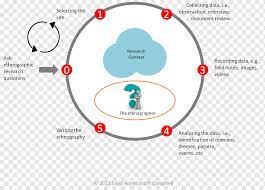
‘Observation’ rarely involves a single act. Rather, it is a series of steps that builds toward the regularity and precision inherent in our working definition.

  • The first step of the process is site selection. A site may be selected in order to respond to a theoretical question, or because it somehow represents an issue of current concern, or simply because it is convenient. However the site is selected, however, it is necessary for the researcher to
  • gain entree into the community. Some communities are open to outsiders, others less accommodating. If one needs to work in one of those less inviting settings, added preparations must be made. Gatekeepers, both formal (e.g. police, political officials) and informal (e.g. respected elders), must be approached and their approval and support gained.
  • Once having gained access to the site, the individual researcher may begin observing immediately. Those working with teams may, however, need to take some time for training, just to make sure everyone is doing his or her assigned task in the proper manner. If one is working in a situation requiring the assistance of translators or others who live in the community, it may be necessary to spend some initial time orienting them to the goals and operations of the research proj­ect. It may also be necessary to take some time to become accustomed to the site. The more exotic the locale, the more likely will it be that the researcher suffers from culture shock – a sense of being overwhelmed by the new and unfamiliar. But even when working close to home in reasonably familiar surroundings, the researcher may go through a phase of ‘shock’ just because he or she is inter­acting with that setting in the role of researcher in ways quite different from those that characterized earlier encounters.
  • Once observation is underway, the researcher will probably find it necessary to make note of just about everything. An understanding of what is and is not central comes only after repeated observations (and probably also consulta­tions with members of the community). In any case, it is crucial that obser­vations be recorded in such a way as to facilitate retrieval of information. There is no universally accepted format for the recording of observational materials. Some researchers prefer highly structured checklists, grids, tables, and so forth; others prefer free-form narratives. Some like to enter data directly into computer software programs, others like to (or must, depending on local conditions) use manual means like notebooks, index cards, and so forth. The bottom line is that the method is best that helps the individual researcher retrieve and analyze whatever has been collected, and this stan­dard will necessarily vary from one researcher to another. Of course, group projects require a standardization of information recording, even if the method selected would not have been the first choice of some individual members of the team.
  • As the research progresses, observations will gradually fall into discernible patterns, which suggest further questions to pursue, either through additional observations or other means of research. The anthropologist James Spradley (1980) has referred to the stages of observation as a ‘funnel’ because the process gradually narrows and directs researchers’ attention more deeply into the elements of the setting that have emerged as essential, either on the theo­retical or the empirical level.
  • Observations continue until a point of theoretical saturation is achieved. This means that the generic features of new findings consistently replicate earlier ones.

Source: Angrosino Michael (2008), Doing Ethnographic and Observational Research, SAGE Publications Ltd; 1st edition.

The question of validity in observational research

Quantitative researchers can demonstrate both the validity and the reliability of their data through statistical means. ‘Reliability’ is a measure of the degree to which any given observation is consistent with a general pattern and not the result of random chance. ‘Validity’ is a measure of the degree to which an observation actually demonstrates what it appears to demonstrate. Qualitative ethnographic researchers are not usually concerned with reliability, since they recognize the fact that much of what they do is, in the last analysis, not truly replicable. There is, in other words, no expectation that one researcher observing a community at one time will exactly duplicate the findings of a different researcher observing that same community at a different time. By contrast, a biologist observing cellular processes under a microscope should come up with standard results no matter who he or she is, when the observation was made, and so forth.

Nevertheless, there are some ways in which observation-based researchers can achieve something approaching criteria of scientific reliability. For example, observations that are conducted in a systematic fashion (i.e. using some sort of standardized technique for the recording and analysis of the data) and that are repeated regularly over a course of time can be considered credible if they yield roughly comparable results. The desire to approximate scientific reliability in observational research, however, represents a reliance on a view of social research as a species of science in which human behavior is ‘lawful’ and regular and can be objectively described and analyzed. Such a position would, of course, be considered irrelevant by postmodernists of various types, as discussed in an earlier chapter.

On the other hand, even postmodernists must be very concerned with validity; if there is no basis for trusting the observation, then the research is meaningless. The question of validity haunts qualitative research in general, but it poses par­ticular problems for observation-based research. Observations are susceptible to bias from subjective interpretations. Unlike interview-based research, which can feature direct quotes from people in the community, observational findings are rarely ‘confirmable’. Nevertheless, there are some ways that observational researchers can legitimize their work for their scientific peers. (Note that they may not have to do so for general or popular audiences, for whom the fact that the observer was ‘there’ and speaks with a voice of authority about what he or she has found out, is often good enough.) Some of the most commonly deployed means of achieving validity include the following:

  • It is often advisable to work with multiple observers or teams (see also Flick, 2007b), particularly if they represent various viewpoints (e.g. gender, age, ethnic background); the members of such teams can cross-check each others’ findings in order to discover and eliminate inaccuracies. Of course, an observer whose findings are not in agreement with those of his or her colleagues is not necessarily ‘wrong’; he or she may, in fact, be the only one to have gotten it right. However, unless there is compelling reason to suspect that the loner/maverick is on to something important, the consensus of the group usually prevails.
  • It may be possible to follow the methodology of analytic induction (see also Flick, 2007b), which in this case means that emergent propositions (findings that describe patterns in the observations) are tested in a search for negative cases. The goal is to achieve assertions that can be taken as universal (or ‘grounded’, in the language of some schools of theory).
  • When writing up results, the observation-based researcher may be encouraged to use techniques of verisimilitude (or vraisemblance, a term that has come into English via French scholars). This is a style of writing that draws the reader into the world that has been studied so as to evoke a mood of recog­nition; it uses rich descriptive language (rather than abstract ‘facts and figures’). Verisimilitude is also achieved when the description seems to be internally coherent, plausible, and recognizable by readers from their own experiences or from other things they have read or heard about. A work that achieves these goals is said to be authentic in the eyes of those who read it. In other words, more than other types of scientific ‘data’, ethnographic observations only become ‘valid’ when they have been rendered into some sort of coherent, consistent narrative.

The whole matter of standards for assuring the quality of research findings generated in non-quantified contexts has been studied extensively and summa­rized by Seale (1999). Guba and Lincoln (2005, pp. 205-9) provide both a brief review of the literature and a complex philosophical reflection on the question of validity in qualitative research. After considerable examination of the ways in which qualitative researchers collect data, including those who use observational and other ethnographic means to collect information, Miles and Huberman (1994, pp. 278-80) have come up with some practical ‘pointers’ (not ‘rules’, they care­fully explain) to help us judge the quality of research conclusions. They divide their pointers into five basic categories:

  • Objectivity/confirmability (or ‘external reliability’): the degree to which con­clusions flow from the information that has been collected, and not from any biases on the part of the researcher.
  • Reliability/dependability/auditability: the degree to which the process of research has been consistent and reasonably stable over time and across var­ious researchers and methods.
  • Internal validity/credibility/authenticity (or ‘truth value’): the degree to which the conclusions of a study make sense, if they are credible to the people studied as well as to readers of the report, and if the final product is an authentic record of whatever it was that was observed.
  • External validity/transferability/fittingness: the degree to which the conclu­sions of a study have relevance to matters beyond the study itself (i.e. can the findings be generalized to other contexts?).
  • Utilization/application/action orientation (the ‘pragmatic validity’ of a study): the degree to which programs or actions result from a study’s findings and/or the degree to which ethical issues are forthrightly dealt with (for criteria in qualitative research more generally, see Flick, 2007b).

Source: Angrosino Michael (2008), Doing Ethnographic and Observational Research, SAGE Publications Ltd; 1st edition.

Observer bias

Ethnographers in general, and observation-based researchers in particular, are frequently criticized for the subjectivity that informs their work. Even the most apparently unobtrusive observation can have unintended ‘observer effects’ – the tendency of people to change their behavior because they know they are being observed. Most contemporary researchers would agree that it is inadvis­able to seek to avoid all remnants of observer effects, since the only way to do so would be to return to the covert tactics of the ‘complete observer’ role, which has been widely criticized as potentially unethical. Nevertheless, there are some ways to minimize the bias that almost always enters into observational research:

  • It might be said that the very naturalness of observation provides some inoc­ulation against bias, since the observer (unlike the interviewer, for example) is usually not demanding that people do anything out of the ordinary. It is hoped that in time his or her presence will no longer even be a matter of note and that people will simply go about their business.
  • Observational research is emergent, which in this context means that it has great potential for creativity. Observational researchers can, if they so choose, eschew predetermined categories; at any point in the process out­lined above, the researcher can shift the question(s) he or she is pursuing. Observation has the potential to yield new insights as ‘reality’ comes into clearer focus as the result of experience in the field setting.
  • Observational research combines well with other techniques for the collec­tion of information. Laboratory or clinical experiments, for example, lack the natural setting and context of occurrence; they generate ‘data’ that are self- contained and from which all ‘extraneous’ variables have been rigorously excluded. But field-based ethnography is rarely constructed around a self- contained observational ‘experiment’. Rather, observations are made of life as it is lived in the natural setting, and observational findings are constantly being cross-checked with information coming from interviews, archival searches, and so forth. This process of triangulation, which as we have seen is intrinsic to ethnography in general, is a good hedge against the biases that may result from ‘pure’ observation (see also Flick, 2007b).

Source: Angrosino Michael (2008), Doing Ethnographic and Observational Research, SAGE Publications Ltd; 1st edition.

Observations in public spaces

One of the most characteristic applications of observational research is that which is carried out in public spaces. Indeed, given the nature of this setting, observation is almost always the preferred technique, given the difficulty of arranging interviews in such a setting and the lack of archival back-up for a shift­ing, heterogeneous, ill-defined population. Traditional public space research, such as that of Erving Goffman, was carried out in the manner of the covert, ‘complete outsider’ role. Although that is no longer necessarily so, public spaces remain a distinctive ‘field’ for observational research.

Some public spaces are fairly clearly delineated (e.g. airport waiting rooms, shopping malls), others less so (e.g. busy downtown streets), but all provide the context for studies involving moral order, interpersonal relations, and norms for dealing with different categories of individuals, including total strangers. A case can be made that in urban society, public spaces are an ideal setting for research in that they represent a microcosm of the dense, heterogeneous – even dangerous – society at large. People in urban societies do seem to spend a large part of their lives in public, so much so that formerly private functions (e.g. talking on a phone) are now commonly carried out in public. It is mainly in smaller-scale tra­ditional societies where we still find the core activities carried on behind closed doors, as it were – private spaces to which we do not have immediate observa­tional access. As such, observational studies in public spaces allow researchers to gather data on large groups of people and thereby to identify patterns of group behavior.

It may be said that the anonymity and alienation of life in a modern urban envi­ronment lead people to create enclaves of private space within the larger public context; even people crammed together in an elevator will typically stand in rigid postures, to convey the message that they are not interested in touching anyone else. Nevertheless, when people leave those small protected spaces and go out into the larger public space beyond, they must go forth with sufficient knowledge about the potential range of social types they might have to deal with; in other words, they have to know how to deal with the actions of strangers. In traditional societies, it was generally assumed that strangers could never be trusted because one never knew how to ‘read’ them. But in urban society, where almost everyone is a stranger, it would be dysfunctional to treat everyone as a massive, collective unknown. So we learn to put people into categories or types, and we respond to those types even if we do not personally know the individual representatives of those types. Of course, doing so inevitably leads to stereotyping, with occasion­ally unfortunate consequences. But that is the trade-off most people make in order to be able to negotiate a potentially threatening environment.

Perhaps the most famous – even notorious – example of public space observa­tional research is that of Humphreys (1975), who adopted a covert observer-as- participant role in a public bathroom. His intention was to observe men engaging in impersonal homosexual encounters. Using a very structured methodology of data recording, he concluded that men in this setting adopt one of several possible roles, which he described as waiter, voyeur, masturbator, insertor, and insertee. He also meticulously recorded the characteristics of participants and their relations with their temporary partners, as well as with potentially dangerous outsiders. The provocative nature of Humphreys’s study raised eyebrows at the time of its publication, and it continues to be an object-lesson in the ethics of observational research, a topic to which we will now return, using this study as a case example.

Source: Angrosino Michael (2008), Doing Ethnographic and Observational Research, SAGE Publications Ltd; 1st edition.

Ethics and observational research

General questions of research ethics as they apply to ethnography are treated in a later chapter, but a few special points need to be dealt with in this focused dis­cussion of observation.

On the one hand, the relatively unobtrusive nature of observational research lessens the opportunities for unfavorable interpersonal encounters between researcher and ‘subjects’. But it is that very quality of unobtrusiveness that opens it to abuse in the form of the invasion of privacy. A researcher can be guilty of the latter either by entering into places that can be construed as private even though they have a public character (e.g. a public bathroom) or by intruding into the zone of privacy carved out by people within the larger public space (e.g. eavesdrop­ping on what is clearly a private conversation although it takes place right next to you at a busy lunch counter). It may also occur through a researcher misrepre­senting him or herself as a member of the group he or she wants to observe. Doing so is not necessarily a serious problem (although it is still an ethical viola­tion) if the group is not defensive about its own identity; for example, a researcher posing as a passenger by surrounding him or herself with luggage in order to observe an airport waiting room is not doing violence to anyone’s integrity. However, if the group has a stigmatized identity, or if it is engaged in criminal activities or activities thought of by others as somehow deviant, then pretending to be an insider can represent a very significant violation of the privacy of others.

Some researchers question the general application of this rule of non-violation of privacy, asking whether conforming to the rule automatically eliminates certain sensitive – but obviously socially important – subjects (e.g. sex) from the research agenda. The usual answer is that studying sensitive subjects is not taboo – but doing so without the express permission of the participants is ethically wrong. In any case, it is now generally agreed that:

  • It is unethical for a researcher to deliberately misrepresent his or her identity for the purpose of entering a private domain to which he or she is not otherwise eligible.
  • It is unethical for a researcher to deliberately misrepresent the character of the research in which he or she is engaged. (See Erikson, 1967, for an exposition of these principles.)

These reflections bring us back to Humphreys’s research. At the time of its publication, his book would have been controversial enough given its subject matter, which was not common in the social research of that period, and which was seen as downright titillating by the general public. But criticism was not at first directed at Humphreys’s activities as an observer. Rather, they concerned the way he continued his research beyond the bathroom. Among the data he so care­fully collected were the license plates of the men he observed in the bathroom. After his stint of observation, he tracked down as many of them as he could using their plate numbers, and arranged to conduct interviews with them. He had changed his looks and identified himself as being part of a public health survey. He did not reveal that he had covertly encountered them before. Although he was only collecting demographic data – innocuous in and of themselves – and not pry­ing into the details of their sex lives, the fact that he was able to connect men involved in an illicit activity with their larger demographic context, and that he was able to do so without their knowledge, let alone their permission, was seen as a very worrisome matter.

Scrutiny of this aspect of his research led many to revisit the original observa­tional study itself. When in the bathroom, Humphreys tried out a few of the roles for himself, including that of straight person/bystander and ‘waiter’. Neither of these poses got him the access he needed. So he decided to take on the role of ‘watchqueen’, essentially a look-out. In that guise he came to be trusted by the others, who were unaware that his agenda entailed making careful observations of their behavior and only incidentally warning them of approaching danger. As ‘watchqueen’, Humphreys could take on a recognized and valued membership role that nonetheless stopped short of his participation in the sexual activity going on around him. Humphreys’s critics pointed out that he was ethically wrong to have misrepresented himself deliberately as a member in order to gain access. Moreover, it was said that he put his needs as a researcher ahead of the rights of the people he was studying. He did not pay sufficient attention to the conse­quences should his research be made public in ways he could not control. He had not even considered the possibility that the police, should they find out what he was doing, might subpoena his notes in order to bring criminal charges against the men in his study.

The Humphreys case is perhaps an extreme one. Most observational researchers do not venture into such a moral danger zone, and when they do they are presumably armed with the ethical precautions now mandated by law (see Chapter 8 for an elaboration of these measures). But it is important to remember that even when a situation is not as obviously controversial as a public bathroom, ethics can arise when observation is covert and the identity of the researcher is misrepresented.

In sum, ‘researchers are reminded that they must take into account subjects’ rights to freedom from manipulation when weighing the potential benefits of the research role against the harms that could accrue’ (Adler and Adler, 1994, p. 389).

Source: Angrosino Michael (2008), Doing Ethnographic and Observational Research, SAGE Publications Ltd; 1st edition.

Analyzing ethnographic data

1. Patterns

How do you recognize a pattern? Basically speaking, a true pattern is one that is shared by members of the group (their actual behavior) and/or one that is believed to be desirable, legitimate, or proper by the group (their ideal behavior). We can systematize the recognition of patterns by going through the following steps:

  • Consider each statement made by someone in the community you are study­ing. Was it: (a) made to others in everyday conversation, or (b) elicited by you in an interview?
  • For each of those two conditions, consider whether it was: (a) volunteered by the person, or (b) directed in some way by you.
  • Consider each activity that you have observed. Did it: (a) occur when you were alone with a single individual, or (b) occur when you were in the pres­ence of a group?
  • For each of those two conditions, consider whether: (a) the person or group acted spontaneously, or (b) acted because of some prompt on your part.

In general, public statements and actions are more likely to reflect the ideal behavior of the group than are those expressed in private. Statements and activ­ities that occur spontaneously or are volunteered by the people in the community are more likely to be elements in a shared pattern than are those somehow prompted by the researcher.

When conducting ethnographic research in the field, we always have to remember that we are not in control of all the elements in the research process: we are capturing life as it is being lived, and hence we must be aware that things that might appear meaningful to us as outsiders might or might not be equally meaningful to the people who live in the community being studied – and vice versa. Social scientists (anthropologists in particular) refer to the two perspec­tives on meaning as the emic and the etic. These terms come from the field of lin­guistics, where phonemic analysis refers to the delineation of sounds that convey meaning to native speakers of a language while phonetic analysis converts all sounds into a kind of international code system that allows for the comparative understanding of meanings. So in the simplest sense, an ‘emic’ perspective on social and cultural data is that which looks for the patterns, themes, and regular­ities as they are perceived by the people who live in the community; an ‘etic’ per- 68 spective is one that is applied by the researcher (who will have at least read about, if not actually conducted first-hand fieldwork in many other communities) interested in seeing how what goes on locally compares to things happening elsewhere.

Field-based researchers try to engage in a constant validity check, which basi­cally involves switching back and forth between emic and etic perspectives. Like so many other processes that we have discussed, constant validity checking seems like a reasonably straightforward, intuitive activity; the trick, as usual, is to learn to do it in a systematic fashion. There are some important elements in the process:

  • Look for both consistencies and inconsistencies in what knowledgeable informants tell you; probe for why people living in the same community might disagree about matters that seem to be significant to them.
  • Check what people in the community say about behaviors or events against other evidence, if available (e.g. newspaper accounts, reports by others who have conducted fieldwork in the same community, or one very similar to it). But remember that even if what people say is factually ‘wrong’, their views are not irrelevant; try to find out why they persist in holding ‘erroneous’ views.
  • Be open to ‘negative evidence’. If a case arises that doesn’t fit your own emerging etic view, try to find out why this discrepancy exists. Is it the result of simple variation within the culture of the community? Does it reflect your own lack of knowledge about the community? Is it a true anomaly that would stick out even in an emic perspective (see Flick, 2007b)?
  • Play with alternative explanations for patterns that seem to be emerging. Do not wed yourself to a single analytical framework before all the data are in hand.

2. The process of data analysis

There is no single formula accepted by all ethnographic researchers that can serve as a strategy for the analysis of data collected in the field (see Gibbs, 2007). Indeed, some scholars have made the point that the analysis of data (quantified data excepted) is necessarily ‘custom-built’ to suit the particular needs of specific projects. Ethnographic data analysis may thus seem to be more of an art than a science and certainly ethnographers have been accused of being ‘soft’ scientists (i.e. intuitive and impressionistic, rather than rigorous in their analysis). But there is more regularity in their approaches than might initially be apparent, and sev­eral important points are found in most formulations of the process. They may be taken as an outline for an acceptable framework for analysis. Keep in mind, however, that the ‘steps’ in this framework need not happen in a strictly sequen­tial order. They may happen simultaneously, or some of them may have to be repeated in the course of the research.

  • Data management. As noted in the previous chapter, it is essential to keep clearly organized field notes. More and more contemporary ethnographers find it convenient to keep their notes in the form of computer files. But low- tech field workers are still to be found (sometimes because the circumstances of their field settings are not congenial to the use of computers, other times simply out of habit and preference) using paper file folders or index cards. I personally like to use loose-leaf notebooks with category dividers, which keep notes all in one place but allow for them to be moved as needed. No one method is better than any other – it all depends on how you like to work. The most important thing is that you be able to find and retrieve data once you have filed it, regardless of what your filing format might be (see Gibbs, 2007, for a further discussion of these matters).
  • Overview reading. It is usually a good idea to read through your notes before proceeding with more formal analysis. There may be details you have for­gotten since you first collected the data, and an overview reading will refresh your memory. It will also stimulate you to begin reflecting on what you think you now know, and to begin asking questions about what you still want to understand.
  • Clarification of categories. Begin with a description of what you have seen in your notes. Then move to a classification of the notes, a process of taking apart the narrative description and identifying categories or themes. Sometimes you can identify themes on the basis of your review of the scholarly litera­ture on the topic(s) you are investigating. Keep in mind that the ‘literature’ pertinent to your study includes theoretical analyses and methodological explorations in addition to ethnographies in similar communities. In other cases, you will have no preconceived themes, but allow them to emerge from your reading of the data. In either case, begin with no more than six themes. If you have too many themes, every incident forms its own category and you have gained nothing; if you have too few themes, you risk conflating statements or behaviors that might prove to be distinct. You can always reconfigure your thematic categories as you go along, but in a preliminary pass-through you need something to get you started.

In the Trinidad study, I was able to draw upon a fairly extensive body of exist­ing literature on the international Indian indenture. From that literature I identi­fied several key themes that were helpful in organizing my own data: the loss of caste; changes in family structure; the role of traditional religions; economic opportunities in the post-indenture period; political relations between Indians and others in the post-colonial society; secondary migration (i.e. second- or third- generation Indians leaving the place of indenture for England, Canada, or the United States). I organized my notebook using these themes as major categories. Upon reading my notes in preparation for analysis of the final results, I realized what I had already begun to suspect: that the first category was more or less a non-issue among the Trinidad Indians, and that except for Brahmins (the reli­gious specialists) not even the most elderly people could accurately remember their traditional caste affiliations and no one seemed very concerned that this supposed pillar of Indian culture had disappeared over the generations of the indenture. So other than affirming that, yes, there had been a ‘loss of caste’ in the community I had studied, just as there had been in other communities studied in other parts of the overseas Indian world, I had little in my notes to sustain this as a usable category. On the other hand, alcoholism had clearly emerged as an overriding issue. My many notes on interviews and observations of AA meetings that were scattered through the existing categories were taken out and put in their own separate category. It thus became possible to compare and contrast alcoholism against such predisposing factors as religion, family, and economic and political relationships. The generation of these categories was initially ‘etic’ because they derived from the comparative literature on the indenture. But the later modifications of the categories reflected an ‘emic’ emphasis, responding as they did to what my informants had demonstrated to me as being important to them.

In the deinstitutionalization study, I opted against using ready-made cate­gories based on the existing literature since so much of the literature derived from clinically based research and/or research conducted among the profes­sional caretakers of people with mental disabilities. My own ethnographic study of the people themselves would undoubtedly yield a somewhat different perspective. So during the course of my research I kept my notes in the form of a running narrative somewhat like a diary (minus the personal reflections, which I reserved to a separate private journal). I also kept separately transcrip­tions of each extended interview. Such a format would obviously be unusable when the time came to write up my findings, and so it was necessary to do a very thorough overview reading and then define the categories that jumped out, namely: sexuality; finding and keeping a job; relations with family; relations with friends; relations with professionals; world-views (i.e. how they saw themselves and interpreted their place in the ‘wider scheme of things’). The generation of these categories was almost entirely ‘emic’ since it was guided for the most part by what the people had told me.

  • Presentation of data. With the data arranged into useful categories, it is pos­sible to summarize them in text, tabular, or figure form (or some combination of those formats). There are several commonly used presentation forms.
    • The ‘comparison table’ or matrix. This can be as simple as a 2 x 2 table that compares two segments of a population in terms of one of the cate­gories, e.g.

    • The actual cells would be filled with descriptive text as well as num­bers in this case. Such a table made it clear (in a way that was much less obvious in the raw notes) that on a numerical level there were more Muslims in AA than would be expected from the simple demographics. In the general population, Hindus accounted for approximately 80 per cent of the Indian population, while Muslims made up approximately 15 per cent, the remainder being Christian converts. But Muslims accounted for 35 per cent of the Indian AA membership, while Hindus were at 60 per cent, with the remainder Christian. The accompanying text helped explain why Muslims were relatively more attracted to AA. In interviews, many of them commented on the fact that as a sub­community within the larger Indian population they had always con­sidered themselves ‘more progressive’ than the Hindus, and they saw joining AA as a ‘modern’ response to their problem. Those comments did not stand out until placed in this comparison table in which the numbers indicated an unexpected pattern, which the narrative text helped explicate.
    • The hierarchical tree. This diagram shows different levels of abstrac­tion. The top of the tree represents the most abstract information and the bottom the least abstract. For example, in explaining the indenture, the highest level of abstraction reflected two large-scale perspectives: the political-economic (conditions relative to the powerlessness of colo­nized people and to the specific deprivations resulting from decades of servitude) and the psychological (conditions relative to the loss of tradi­tional cultural identity-markers). A middle level reflected the kinds of stress that are found in a transplanted, economically exploited, politi­cally disenfranchised population (e.g. a perceived disparity between the group’s aspirations and the social resources available to realize those aspirations). At the bottom were the specific data relative to the experi­ences of the Indians in Trinidad in whose community I was a participant observer.
    • Hypotheses or propositions. These statements of relationship need not be formally tested (as in quantitative research), but arranging the the­matic elements in the data in such a format can certainly clarify the ways the perceived variables fit together. For example, I could state the propo­sition that adult men with mental retardation who have active family ties are more apt to complete their community habilitation programs than are those with weak ties. Since I was obviously in no position to identify, let alone examine, anything near to a statistically representative sample of adult men with mental retardation, I could not hope to test this hypoth­esis in a meaningful way. But the simple statement of relationship was a way of organizing my data and understanding the life experiences of the men I was able to work with.
    • Metaphors. Metaphors are literary devices, shorthand ways of express­ing relationships. (I like to think of them as poetic versions of hypothe­ses.) For example, one of my AA informants used the phrase ‘inside is life, outside is death’. He was speaking specifically about AA because he believed that if he left the group he would certainly go back to drink­ing and that doing so would kill him. But I also understood him to be reflecting a more general attitude among Indians, who found security in their own community and saw the outside world as a political, eco­nomic, and cultural threat. For Indians, ‘inside’ included family, reli­gion, and jobs in the sugar industry as well as AA, while ‘outside’ included the political system of modern Trinidad, jobs in the oil indus­try, and hospital-based forms of rehabilitation. My informant’s metaphorical division of the world proved to be a very useful way to sort out my own data, and I ultimately used the phrase ‘outside is death’ as the title of the book that came from that research project. In a somewhat more blunt use of metaphors, one of the men in the community retarda­tion program told me in some exasperation, ‘My life is a toilet.’ He meant that he counted as a waste everything he had ever done. One could take the remark at face value as nothing more than a cry of frus­tration or desperation. But it was also possible to use it as a key to unlock a whole set of observational and interview data: Why was life a waste? It became clearer to me in interrogating that metaphor that this man – and many of his compatriots – considered life a waste because they were not truly adult (not ‘real people’, as they often said). They were not trusted to do the things adults do (including most definitely to express their sexuality) and so everything they did was by definition childish and worthless.

So we can summarize the analysis process as follows beginning with the descriptive analysis phase:

  • Organize notes, using thematic categories drawn from the literature if possible.
  • Read through the notes and modify categories as necessary.
  • Sort data into the modified categories.
  • Count the number of entries in each category for purposes of descriptive statistical analysis (if the sample is large enough to permit it).
  • Look for patterns in textual materials, using a variety of presentation formats as aids.

Next, we can consider the theoretical analysis:

  • Consider the patterns in light of existing literature.
  • Demonstrate how your findings relate to the interpretations of others. (Your findings may confirm what is already known and add new illustrative exam­ples to an established perspective. Or they may run counter to the expecta­tions and thus stimulate further research. Either option is a legitimate and praiseworthy outcome; see also Gibbs, 2007, for analyzing qualitative data).

2. A note on the use of computers in ethnographic data analysis

In relatively small-scale research projects, the amount of data may be manageable manually, i.e. it might be possible simply to ‘eyeball’ patterns. But projects that generate a very large amount of data can certainly benefit from one of the several computer software programs now available that are designed to aid the process of analysis (see Gibbs, 2007).

The most basic computer function for researchers is word processing. Programs such as Word or Word Perfect do not merely serve when it comes to writing up final reports. They also allow users to create text-based files, and to find, move, reproduce, and retrieve sections of those texts. Word processing is also important when it comes to transcribing interviews, keeping track of field notes, and coding text for purposes of indexing and retrieval.

Word processing is familiar to most of us nowadays, but there are other kinds of software that might be of assistance to the ethnographic researcher. Text retrievers (e.g. Orbis, ZylNDEX) specialize in locating each occurrence of a specified word or phrase; they can also locate combinations of these items in mul­tiple files. Textbase managers (e.g. Tabletop) refine the text retrieval function and have an enhanced capacity for the organization of textual data. Code-and-retrieve programs (QUALPRO, Ethnograph) assist researchers in dividing text into man­ageable sections, which can then be sorted. Code-based theory builders (e.g. ATLAS/ti, NUD.IST) go beyond code-and-retrieve functions and permit the development of theoretical connections between and among coded concepts, resulting in relatively high-order classifications and connections. Conceptual network builders (e.g. SemNet) provide the capacity to design graphic networks in which variables are displayed as ‘nodes’ that are linked to one another using arrows or lines denoting relationships. (Weitzman and Miles, 1995, describe these computer-based research functions, although given the rapidity with which tech­nology develops, the reader is well advised to consult up-to-date websites con­taining the most recent information about specific programs; see also Gibbs, 2007, for the use of software for qualitative analysis.)

Pros of computerized data analysis:

  • The computer program itself is a form of organized data storage, making it that much easier to retrieve material.
  • Sorting and searching for text is done automatically and in far less time than would be consumed doing so manually.
  • The program requires a careful (virtually line-by-line) examination of the data. In ordinary reading, it is possible to skim and thus lose potentially important pieces of information.

Cons of computerized data analysis:

  • There might be a steep (and time-inefficient) learning curve for new software programs. And let’s face it, some people are still just not comfortable around computers.
  • Although they function best as adjuncts to traditional, manual means of analysis, computer programs tempt the researcher to let them do all the work.
  • There are many data analysis programs now available to the ethnographic researcher, but they do not all do the same thing. It is possible to spend a lot of money acquiring a program and then spend a lot of time learning how to operate it, only to discover that it doesn’t really do what you need it to do. Do your homework about the programs before you commit yourself to one or another.

Source: Angrosino Michael (2008), Doing Ethnographic and Observational Research, SAGE Publications Ltd; 1st edition.

Strategies for representing ethnographic data

1. Representing ethnographic data in traditional scholarly form

Scientific writing of whatever length typically includes several key elements usually set out in a conventional order. (Berg, 2004, pp. 299-317, provides a very clear exposition of the principles of writing a scholarly ethnographic paper; see also Creswell, 1994, pp. 193-208.)

  • A title is a direct description of what the report is about; it should not be overly ‘cute’ or ‘clever’, although an ethnographic report may use in its title a colorful quote from someone in the study community.
  • An abstract is a brief (100-200 words) overview of the research that features the most important findings and mentions the methods by which data were collected and analyzed and closes with a statement of the implications of the major findings. There is little or no explanation or illustrative detail in the abstract (which in a book-length work may be replaced by a preface of rela­tively greater length and involving a little more detail).
  • An introduction orients the reader/listener to the study; it includes a state­ment explaining (and perhaps justifying) the main research questions and an overview of the key issues that will be discussed.
  • A literature review critically examines the published materials relevant to the research (substantively, methodologically, and theoretically); special empha­sis is given to the studies that have the most direct bearing on the report at hand. The literature review is usually also the place where the author’s own theoretical framework is explained and justified.
  • A methodological review describes the author’s procedures for data collec­tion and analysis. The research setting may also be described in some detail; this element in the review is of particular importance in ethnographic research, since characteristics of the setting will be directly relevant to what is said to go on there.
  • A report of findings or results links the study at hand in some way to the research questions posed in the introduction and to the issues that emerged from the literature review.
  • A concluding discussion summarizes the main findings, fits the research into the literature, and suggests directions for future research.
  • References, notes, appendices are explanatory materials supplemental to the main body of the text. Depending on the preference of journal editors or book publishers, notes may be part of the text, placed at the foot of a page, or grouped at the end of a chapter (or of an entire book). In any case, notes must never convey substantive material that could just as well be in the text; ref­erences are to all cited material (although there may be a separate section of ‘works not cited but consulted by the researcher’ with the editor’s approval) and must follow the standard form of the journal or publishing firm. Appended materials might include charts or tables, copies of original documents, pho­tos, or any other matter that supports the main elements of the text.

2. Other ways of representing ethnographic data in writing

Although ethnography is a science, it is different in many ways from the ‘hard’ sciences (which are based on an experimental model of research and strive for strict objectivity through quantified data analysis). Ethnographers after all are often participant observers in the lives of the people they study; they bring a degree of subjectivity to the subject that would be considered inappropriate in a science like chemistry or physics. The traditional scientific style of writing has always been something of a straitjacket for the ethnographer who is, after all, try­ing to represent the lived experiences of real people. Gradually finding release from the confines of strict scientific writing, ethnographers have in recent years been experimenting with various forms of ‘alternative’ ethnographic writing, employing to one degree or another the forms of literature and the other arts in order to achieve a more expressive representation of the lived experiences of the people they study. There are increasing numbers of ethnographic reports that take the form of personal (‘reflexive’) narratives (i.e. the private diary achieving pub­lic form), short stories, novels, poems, or plays. These literary-influenced works fall into several main categories (sometimes referred to as ‘tales’). (Van Maanen, 1988, is the standard reference for the discussion of ethnographic ‘tales’. See also Sparkes, 2002, for an interesting alternative take on this same material.)

  • Realist tales are characterized by extensive, closely edited quotations from the people who have been observed or interviewed with the intention of help­ing the reader ‘hear’ the actual voices of the people whose lives are being represented. Realist tales demonstrate a marked absence of the author, who disappears behind the words, actions, and (presumed) thoughts of the people he or she has studied. The realist tale has long and deep roots in ethnographic representation, with the work of Malinowski (1922) in the Trobriand Islands the classic example. In realist tales, the fieldworker is required to be a ‘sober, civil, legal, dry, serious, dedicated transcriber of the world studied’ (van Maanen, 1988, p. 55).
  • Confessional tales are those in which the researcher steps forward and becomes a fully realized character in his or her narrative. The act of con­ducting participant observation research is described along with the descrip­tion of the community under study. Confessional tales rarely stand alone; rather, confessional passages are typically inserted into conventional realist narratives. Manuals elaborating on how to conduct ethnographic research are often rich in confessional tales, as authors frequently use their own fieldwork experiences as cautionary material (see, e.g., Agar, 1980).
  • Autoethnography, or the ‘narrative of self’, is a hybrid literary form in which the researcher uses his or her own personal experience as the basis of analy­sis. Autoethnographies are characterized by dramatic recall, strong metaphors, vivid characters, unusual phrasings, and the holding back of inter­pretation so as to invite the reader to relive the emotions experienced by the author. Ellis (1995), for example, has written an extended narrative dealing with the death of a significant other in her life, and the ways in which she dealt with being his caregiver. The details are highly particular to the case at hand, but Ellis’s narrative style carefully links these specific concerns to gen­eral themes of life, death, and loss in our society. (See Ellis and Bochner, 1996, pp. 49-200, for a discussion and further case examples of autoethno­graphic representations.)
  • Poetic representations are forms of expression typical of the community under study that are employed to give the reader a sense of how those people ‘see’ the world around them. For example, Richardson (1992) constructed a five-page poem about the life of an unmarried, Southern, rural, Christian woman from a poor family. The poem was based on a thirty-six-page inter­view transcript and was composed with careful attention to the voice, tone, rhythms, and diction of a person of this woman’s time, place, and social sta­tion. Moreover, the poem used only the lady’s own words.
  • Ethnodrama is the transformation of data into theater scripts or performance pieces, which may include dance, mime, or other forms of expressive performance. For example, Mienczakowski (1996) sought to enhance com­munity understanding of mental health and addiction issues. To that end, he created two plays based on his ethnographic research. The plays were performed at sites calculated to allow them to reach their optimal target audi­ences. Cast members included people drawn from the health professions as well as students of theater.
  • Fiction is any literary form in which the setting and the people who were studied in that setting are represented fictionally (e.g. use of composite char­acters, setting characters in hypothetical events, attributing revelatory interior monologues to people when the researcher could not possibly have heard the original discourse). Fiction is sometimes employed for ethical reasons (the better to disguise the identities of people who might be compromised if they were too readily identified by conventionally ‘objective’ writing), sometimes to make a better link between the experiences of the study community and more universal concerns. My own account of research among mentally retarded adults (Angrosino, 1998) is an example of the trans­lation of ethnographic data into the form of short stories. (See Banks and Banks, 1998, for a detailed critical discussion of the theory and method of fictional representation; this volume also contains several examples of ethno­graphic reporting translated into fictional terms.) In light of several recent controversies that have made front-page news, it should be stressed that when we speak of fictional representations of ethnographic data, it does not mean that we are talking about making things up and disguising them as facts. Fictional representation merely refers to the use of the techniques of literary fiction, rather than the conventions of academic prose, to tell a story; by gen­eral consensus, works of ethnographic fiction are clearly labeled as such.

It should be clear that these various forms of alternative ethnographic writing have the potential to reach audiences beyond the scholarly community. (See Richardson, 1990, perhaps the most frequently cited discussion of this issue.) As such, they may be less rigorous than we have grown used to in terms of their literature reviews or their explications of methodology and theory. But on the other hand, they can reach and move people and teach them about the experiences of others in ways that would never be possible with the standard scientific mono­graph, which is, after all, read only by other initiated scientists.

3. Beyond the written word

The filmed documentary has long been seen as a valid way to represent ethno­graphic data, although film production requires a set of highly specialized skills that are not often mastered by social science researchers. That situation may change now that video recording equipment has become such a familiar part of our technological landscape. Ethnographers might also think of expressive, fictional films in addition to objective documentaries, much as ‘alternative’ ethnographic writers have learned to use poetic or other fictional literary means to go beyond the, sometimes sterile, images typical of scientific writing. (See Heider, 1976, a relatively early, but still highly influential introduction to the use of film in ethnographic research.)

By the same token, the increasing popularity of digital photographic equipment has made it possible not only to produce high-quality images but also to dissem­inate them far more widely than was ever imagined. The posting of both text and images on the Internet is now a very real possibility for ethnographers. As was once the case with film, such web-based representations are still generally thought of as adjuncts to scholarly publication, although that situation may also change as more and more people have access to the web and seem to prefer it to other means of communication (see Bird, 2003). The museum or other visual display/exhibit is another way to represent ethnographic data in a vivid and widely appealing format (see Nanda, 2002).

It is beyond the scope of this book to describe in detail the how-to of these non-written forms of ethnographic representation, but the reader is urged to con­sider their possibilities for their own research. It is still a good idea to master first the skills of solid, traditional scientific writing. But then allow yourself to think about – and carry out – something more creative.

Source: Angrosino Michael (2008), Doing Ethnographic and Observational Research, SAGE Publications Ltd; 1st edition.

Ethical considerations in a ethnographic research

1. Levels of ethical considerations relevant for research

There are three levels on which ethical considerations bear on the conduct of research:

  • The official, published standards are those mandated by the government. They are operative in most universities and other research institutions.
  • Codes of ethics are those promulgated by professional societies to which researchers belong. For example, the American Anthropological Association (AAA) states that In both proposing and carrying out our research, anthropological researchers must be open about the purpose(s), potential impacts, and source(s) of support for research projects with funders, colleagues, per­sons studied or providing information, and with relevant parties affected by the research. Researchers must expect to utilize the results of their work in an appropriate fashion and disseminate the results through appropriate and timely activities. Research fulfilling these expectations is ethical, regardless of the source of funding (public or private) or pur­pose (i.e., ‘applied’, ‘basic’, or ‘proprietary’).

The AAA goes on to stipulate that the primary responsibility of researchers is to the people with whom they work and whose lives and cultures they study; responsibili­ties to scholarship and the scientific community and to the general public, while important, are secondary to that relationship to the people who provide the sub­stance of the research (see Rynkiewich and Spradley, 1981).

  • Our own personal values guide us as we attempt to deal fairly and humanely with other people. Personal values may be the product of our religious tradi­tions, the consensus among our peer groups, our own personal reflection on issues of concern, or some combination of all these factors. (See Elliott and Stern, 1997, for a fuller discussion of research ethics.)

2. Institutional structures

Social research is governed by the structure of institutional review boards (IRBs; see also Flick, 2007b, chap. 9), which since the 1960s have grown out of federal regulations mandating informed consent from all those participating in federally funded research. Those participants are, in the regulatory language, referred to as human subjects.

The protection of ‘human subjects’ became an issue as a result of a number of research projects in which experiments (usually of a biomedical or otherwise clinical nature) led to the injury or even death of participants. In order to save subjects from the negative effects of ‘intrusive’ research procedures, participa­tion in the research was made a choice that was under the control of the poten­tial subjects. And in order for them to make a well-reasoned choice, they would have to be informed beforehand about the nature of the project and what, exactly, their participation would entail.

Protecting human research subjects refers not only to saving them from phys­ical or psychological injury. It also refers to safeguarding their privacy and main­taining the confidentiality of all research records that might identify them. Since we cannot always assume we know what potential research subjects do or do not consider matters of privacy that they do not wish anyone outside the research context to know about, we must be very careful in spelling out for them the ways

we will keep information from getting out. And we must learn to listen to them when they tell us what is and is not acceptable to them personally or collectively on behalf of their community.

One common procedure is to use codes (numbers or pseudonyms) when describing people in field notes and in any reports generated from the research. The researcher might also want to specify that the notes will be kept in a secure place or that they will be destroyed upon completion of the project. Copies of research records (e.g. tapes and/or transcripts of interviews) could be returned to the subject for approval prior to the publication of any product based on those records.

But unlike members of the clergy, or physicians, or lawyers, ethnographers do not enjoy an automatic privilege of confidentiality. If push comes to shove, our promises to our subjects cannot withstand a court subpoena. Like reporters pro­tecting their sources, we can always opt to refuse to comply with such a subpoena and pay the consequences for that refusal. But not everyone is prepared to follow that high moral ground to its logical conclusions.

The enunciation of a right of informed consent led to the creation of IRBs set up to monitor and enforce compliance at all institutions receiving federal mon­eys. No researcher would seriously argue against that right (or mechanisms to support it), but social scientists have been increasingly concerned about the ten­dency of IRBs to extend their reach over all forms of research. While the research of social scientists is certainly less likely than biomedical research to have dire physical consequences, it certainly has the potential to harm subjects who have not been properly informed. But in the view of many social scientists, IRBs have been slow to recognize the nuances of difference between ‘intrusive’ research of the clinical/biomedical sort and of the ethnographic sort.

In the 1980s, the federal government allowed social scientists to claim an exemption from review unless they were working with members of designated vulnerable populations, including children, people with disabilities, people in prison, and the elderly. Since such people are, for various reasons, less likely to understand the procedures and aims of social research, they are more likely not to make a truly informed decision to participate unless extra caution is exercised. In any case, legal counselors at a number of universities (including the one at which this author is based) have advised against IRBs granting this near-blanket exemption. Indeed, at my university, all proposals must be reviewed by the IRB, even those that meet the federal criteria for exemption, although they may be deemed eligible for an ‘expedited’ review. Even proposals that would seem to be unarguably exempt (e.g. studies relying on on-the-record interviews with elected officials about matters of public policy) must still be filed with the IRB. It is ironic that another type of exempt research – that relying on ‘unobtrusive’ meas­ures, as discussed in an earlier chapter – is the very one about which ethnographic researchers themselves have the most ethical concerns, because the people under study are not supposed to be informed at all that research is going on.

My university now has two IRBs, one for biomedical research and one for ‘behavioral research’. The latter, however, is staffed by researchers more familiar with experimental forms of social research than with participant-observer-based ethnography, and they are still not entirely sensitive to the ways in which ethno­graphic fieldworkers operate. For example, experimental researchers work from strict research protocols, with all questions spelled out in advance and all obser­vational procedures highly structured. While ethnographers may well use similar methods in the field, they also use many methods that cannot be completely explicated beforehand. Things that happen in the course of participant observa­tion cannot always be clearly anticipated, and informal, off-the-cuff interviews are just as common as highly structured ones. These contingencies make it very difficult for ethnographers to produce the sort of research proposal that satisfies the IRBs’ understandable desire to have all the possible areas of concern clearly delineated and reviewed before research is authorized.

As a result, even the ‘behavioral’ research IRB requires a statement of a hypothesis to be tested and a ‘protocol for the experiment’. Moreover, of the many hundreds of pages in the federal handbook for IRBs, only eleven paragraphs are devoted to behavioral research. It is now mandated that all principal investi­gators on IRB-reviewed projects take continuing education on evolving federal ethical standards. It is possible to do so over the Internet, but in the most recent academic year, the choices of training modules were all drawn from the area of health services research. (See Fluehr-Lobban, 2003, for a fuller discussion of ethics and the function of an IRB and also Flick, 2007b, chap. 9)

In a rather surprising recent twist, the Oral History Association has agreed to define what its members do as ‘not research’ so that they will not have to deal with the IRB at all. Their reasoning is that ‘research’ is based on experimental design, hypothesis testing, and quantitative analysis. Therefore, oral history (and, by impli­cation, the great bulk of ethnographic research) is not research, but something more akin to what is done in literature and the arts. Ethnographers do not by any means shun affiliation with literature and the arts, but most would reject the notion that what they do is therefore not research. This issue has not been satisfactorily resolved as of this writing. For the time being, then, it is important for all those contemplating ethnographic research to familiarize themselves with the current institutional ethical standards on the assumption that their projects might be entitled to ‘expedited’ review but are not – and should not be – ‘exempt’ from review.

3. The personal dimension of research ethics

Even if an ethnographic researcher has carefully followed the appropriate insti­tutional guidelines for ethical conduct, there are still several situations peculiar to ethnography (particularly that based on participant observation) that raise ethical challenges for the fieldworker.

We must, for example, consider the label now enshrined in federal policy: human subjects. The term certainly has clinical and impersonal connotations that are inappropriate to ethnography in general. It also has certain political connota­tions, reflecting a hierarchical view of the research process. It may once have been the case that the researcher was in control and was in a position to manipulate all the elements in the research design to suit his or her purpose. To a certain extent, this may still be true in the experimental sciences, but it was usually not true of ethnography, and it has become much less true in our own time. Ethnographers are increasingly inclined to think of the people they study as research ‘partners’ or ‘collaborators’ rather than as ‘subjects’.

Participant observers after all develop their research as they go along. It grows out of the evolving relationship that they cultivate with the people in the study community. In a very important sense, the ethnographic research process is a dia­logue between the researcher and the community. While the researcher may have the skills to carry out the data collection and analysis, he or she is almost com­pletely dependent on the cooperation and goodwill of those being studied in order to accomplish that process. Their ‘informed consent’ must necessarily mean more than that they simply understand what the researcher wants to do ‘to’ them; they must understand how their own feedback will become part of the plan of what the researcher can do ‘with’ them.

The research landscape created by the emergence of IRBs heightens the chal­lenge that has always faced ethnographic fieldworkers, namely:

How do you strike an appropriate balance between the intense inter­actions that are an integral part of the participant observational strat­egy and the need to maintain some degree of scholarly objectivity so as to be able to present a balanced and persuasive analysis of the com­munity under study?

There is no simple or uniform answer to that question, which is basically a mat­ter of context and situation.

For example, in Trinidad I lived in a family’s home and was treated as part of that family unit. My identification with a respected family in the community gave me entree into the homes and workplaces of others. But it was always very clear that I was not an Indian, not a Trinidadian and, vis-a-vis the AA group, not an alcoholic. I was clearly an outsider in terms of race, ethnicity, educational back­ground, religion, and so forth. I was a sympathetic outsider to be sure, one who was able to establish a warm working relationship with people in the community. But my status as one whose main purpose was to ‘write a book’ (which is how they understood my scholarly purposes) was never questioned, nor was my need to keep a certain distance so as to see the ‘big picture’.

In formal terms, I was no less an outsider to the community of adults with men­tal retardation, but the men in that group were not always able to distinguish me in my capacity as friend from me in my capacity as someone studying their lives. I could not keep the distance that was recognized and respected in Trinidad with regard to the men in the agency. One of the main reasons, in fact, that I opted to write my book about this project in the form of a fictionalized narrative was because I could not assume the mantle of detached scholarly objectivity that would have been expected in a standard monograph, but that would have been a falsification of the degree to which my friendship with these men had shaped both my analysis and my way of seeing the world in which they lived.

These considerations make it more, rather than less, imperative that ethnogra­phers be mindful of the relational ethics implied by the informed consent process. But human interactions are always situated in some context; it is difficult to squeeze them into universally applicable, objective ‘codes’ (see Punch, 1986).

4. Conclusion

An important part of the toolkit of all well-trained ethnographic fieldworkers should be their ability to clearly understand their own values as they bear on respect for others, and to articulate those values in such a way that potential research ‘collaborators’ can in fact make a reasonably well-informed decision about whether or not they want to participate in a given project.

Source: Angrosino Michael (2008), Doing Ethnographic and Observational Research, SAGE Publications Ltd; 1st edition.

Ethnography for the twenty-first century

1. The changing research context: technology

Participant observation once implied a lone researcher working in a self- contained community, armed only with a notebook and pen, and perhaps a sketch pad and a simple camera. The mechanics of research were revitalized by the introduction of audiotape recorders, movie cameras, and later video recorders. Note-taking has been transformed by the advent of laptop computers and soft­ware programs for the analysis of narrative data.

But as our technological sophistication increases, ethnographers have begun to realize that the technology helps us capture and fix ‘reality’ in ways that are somewhat at variance with our lived experience as fieldworkers. The great value of participant observation research has been that we have immersed ourselves in the ebb and flow, in the ambiguities of life as it is lived by real people in real circumstances. The more we fix this or that snapshot of that life and the more we have the capacity to disseminate this or that image globally and instantaneously, the more we risk violating our sense of what makes real life so particular and so endlessly fascinating.

Perhaps it will become necessary for us to turn our observational powers on the very process of observation, to understand ourselves as users of technology. Technological change is never merely additive, that is, never simply an aid to doing what has always been done. It is, rather, ecological in the sense that a change in one aspect of behavior has ramifications throughout the entire system of which that behavior is a part. So the more sophisticated our technology, the more we change the way we do business. We need to begin to understand not only what happens when ‘we’ encounter ‘them’, but when ‘we’ do so with a particular kind of power­ful technology. (See Nardi and O’Day, 1999, for an elaboration of these points.)

2. The changing research context: globalization

Globalization is the process by which capital, goods, services, labor, ideas, and other cultural forms move freely across international borders. In our own time, communities that once existed in some degree of isolation have been drawn into interdependent relationships that extend around the globe.

Globalization has been facilitated by the growth of information technology. News from all corners of the world is instantaneously available. While once we could assume that the behaviors and ideas we observed or asked about in a par­ticular community were somehow indigenous to that community, now we must ask literally where in the world they might have come from.

Communities are no longer necessarily place-bound, and the traditional influ­ences of geography, topography, climate, and so forth are much less fixed than in days past. Many Trinidadians, for example, are now transnational, including members of the once defiantly insular Indian community. Even in fairly recent times people would migrate to England or Canada or the United States for edu­cation or job opportunities; but once they went, they usually stayed. Nowadays they can and do go back and forth, often maintaining homes both on the island and ‘away’. Being an ‘Indian’ once had a definite meaning within the context of the small island. What does it mean now when one is shuttling between the West Indies and some other place? In New York or London or Toronto, is that person an ‘Indian’, a ‘Trinidadian’, a ‘West Indian’, or some combination of factors? A generation ago that question would have made no sense to the people I began studying in the early 1970s. But now the ‘community’ exists all over the place and its identity is by no means as neatly fixed as people thirty years ago would have thought.

Doing participant observation in a ‘transnational‘ community presents obvious challenges. We could, of course, contrive to follow people around the globe, but that hardly seems practical in most cases. More often than not, we will continue to be place-bound researchers, but we will have to keep reminding ourselves that the ‘place’ we are participating in and observing may no longer be the total social or cultural reality for all the people who are in some way or another affiliated with that community.

We can discern several aspects of the modern world that may help us take ethnographic methods such as observation beyond their origins in small-scale tra­ditional communities:

  • Analysts now speak of the emergence of a world system, a world in which nations are economically and politically interdependent. The world system and the relations among the units within that system are shaped in large measure by the global capitalist economy, which is committed to the maximization of profits rather than to the satisfaction of domestic needs. Some settings and events that might be studied by the methods discussed in this volume so as to contribute to our understanding of the world system are:
    • the nature of labor migration (see, e.g., Zuniga and Hernandez-Leon, 2001, who describe the ways in which Latino laborers coming to the United States have been shifting out of agriculture and into the industrial sector);
    • the emergence of ‘outsourcing’ and its impact on the traditional societies that are thus brought into the world of the dominant powers (see, e.g., Saltzinger, 2003, a study of Mexican factory workers).
  • The transformation of what was once the Soviet sphere of influence has led to many social as well as economic and political changes. One scholar who has begun to document them is Janine Wedel (2002).
  • The world has always been culturally diverse, of course. But now that globalization is bringing different cultures into more frequent contact with each other, the dynamic of cultural diversity, multiculturalism, and culture contact is shifting dramatically. (See, e.g., Maybury-Lewis, 2002, a study of indigenous peoples and ethnicity in the contemporary world.)
  • In the modern world, people are less defined by traditions of ‘high culture’. They are more likely to be influenced (and to be drawn together as a global ‘community’) by popular culture. The study of popular culture has been a staple of ‘cultural studies’ for some time, and it is now well established in the mainstream disciplines as well. (See, e.g., Bird, 2003; Fiske, 1989; Fiske and Hartley, 2003; see also Ong and Collier, 2005, for an extended treatment of the implications of globalization on social research in general, and ethnographic research in particular.).

3. The changing research context: virtual worlds

If they so choose, ethnographers can free themselves of ‘place’ by means of the Internet. Virtual communities are now common; they are characterized not by geo­graphic proximity or long-established ties of heritage, but by computer-mediated communication and online interactions. They are ‘communities of interest’ rather than communities of residence. While some can last a while, they are mostly ephemeral in nature – they come and go as participants’ interests change.

Ethnography can certainly be carried out online. One can ‘observe’ the goings- on in an Internet chat room in much the same way that one could observe the doings in a traditional ‘place’. One can conduct interviews over the Internet. And our ability to use archival materials have clearly been improved by methods of digital storage and retrieval. Living online is becoming a twenty-first-century commonplace, and ethnography can certainly move into cyberspace along with the technology.

Some cautions, however, are in order:

  • Electronic communication is based almost exclusively on the written word, or on deliberately chosen images. The ethnographer who is used to ‘reading’ behavior through the nuances of gesture, facial expression, and tone of voice is therefore at something of a disadvantage.
  • It is very easy for people online to disguise their identities – sometimes the whole purpose of participating in an online group is to assume a whole new identity.
  • If you are doing the kind of research that depends on the ‘accuracy’ of ‘facts’, then it will be necessary to develop a critical sense, to evaluate virtual sources carefully, and to avoid making claims of certainty that cannot be backed up by other means.

But are ‘virtual communities’ really all that similar to traditional communities or social networks? How does electronic communication bring new communities into existence even as it enhances the way older, established communities, now geographically dispersed, can keep in touch? Such questions lead us to the possi­bilities of research not only about specific people and their lives, but also about the larger processes by which people define their lives.

Virtual ethnography also poses some ethical challenges that are similar to – but not exactly the same as – those that confront the fieldworker in traditional com­munities. It goes without saying that the accepted norms of informed consent and protection of privacy and confidentiality continue to be important, even though 94 we are dealing with people we do not see face-to-face. While the Internet is a kind of public space, the people who ‘inhabit’ it are still individuals entitled to the same rights as people in more conventional ‘places’. There are as yet no com­prehensive ethical guidelines applicable to online research, but a few principles seem to be emerging by consensus:

  • Research based on a content analysis of a public website need not pose an ethical problem and it is probably acceptable to quote messages posted on public message boards, as long as the quotes are not attributed to identifiable correspondents.
  • Members of an online community should be informed if an ethnographer is also online ‘observing’ their activities for research purposes.
  • Members of a virtual community under observation should be assured that the researcher will not use real names, e-mail addresses, or any other identi­fying markers in any publication based on the research.
  • If the online group has posted its rules for entering and participating, those norms should be honored by the researcher, just as he or she would respect the values and expectations of any other community in which he or she intended to act as a participant observer.

Some online ethnographers have also adopted the practice of sharing drafts of research reports for comment by members of the virtual community. By allowing members to help decide how their comments are to be used, the researcher thereby accomplishes the larger ethical goal of turning ‘subjects’ into truly empowered ‘collaborators’.

The anthropologist David Hakken (2003) has been conducting a long-term study of the computer revolution; he has created what he terms an ‘ethnography of computing’. He notes that most of the rapidly proliferating computer systems were designed and implemented in a ‘machine-centered’ manner. However, real computing takes place in highly social organizations (businesses, schools, gov­ernments) where the exclusive focus on the machine (and the code for operating the machine) was incompatible with the culture of the users. There is a movement toward a more ‘human-centered’ approach to the design of computing systems, but Hakken notes that even such user-friendly developments are individualistic in nature and do not sufficiently reflect the social nature of computing. He therefore proposes what he calls a ‘culture-centered’ computing model. Thinking culturally about new technology would allow for the building of effective systems and for raising the broader ethical and political issues posed by revolutionary technology. It would also emphasize the implications of such technologies on the practices of the various academic disciplines that now increasingly rely on computers to con­duct their activities. Because researchers dealing with cyberspace are working with social formations that are as much potential as existing in current real time (that is, they are perpetually ‘under construction’), an ethical posture that is ‘active’ and anticipatory is needed, in contrast to the essentially reactive ethics of prior forms of research. The dimensions of such an ethical program have not, however, been completely worked out, let alone widely adopted by researchers in the various social sciences. (See Hine, 2000; Jones 1999; Markham, 1996; and Miller and Slater, 2000, for further discussion of the challenges of virtual research.)a

Source: Angrosino Michael (2008), Doing Ethnographic and Observational Research, SAGE Publications Ltd; 1st edition.

Perceptual Properties: Sensory Effects and the Representational Structure of Perception

According to von Helmholtz ([1867] 1925, ill: 2off.), every property of natural things is an effect that is brought about by the interaction of physical objects or bodies, given their mutual relations due to the forces that objects exert on one another. He considers mechanical, chemical, optical, electrical, and magnetic properties as descriptions of the effects of the forces that physical bodies exert on one another by contact, pressure, attraction or reaction. Hence, the prop­erty ascribed to an object does not denote one of the peculiar intrinsic fea­tures of the individual object, rather it implies a relation to at least one other object. Von Helmholtz claims that for logical as well as material reasons, the characteristics of the effect depend on the nature of the interacting bodies: that which causes the effect and that upon which the effect is forced.

Perceptual properties are a subset of properties in general. They are the effects of forces that the physical bodies exert on our nervous systems. Percep­tual properties are not features of things, nor do they denote their qualities, rather they are sensory effects that the bodies induce on the sensory organs by means of those physical forces that trigger the physiological mechanisms underlying perception. The properties that are ascribed to things, for exam­ple color, touch, taste, smell, cold or warmth, and sounds, are in reality the manifestation of the interaction between the bodies in the physical world and the sensory organs. As chemical properties are produced when two sub­stances react with each other, so perceptual properties are produced when the physical object and the nervous system interact with each other. Therefore, the ascription of perceptual properties to something always implies the re­lation caused by the interaction between one physical body and the sensory organs. Nevertheless, as von Helmholtz remarks, when we speak of the per­ceived properties of things, we don’t mention the conditions in which they occur, in contrast to when we speak of the properties of external bodies pro­duced by physical interactions. We don’t merely say that lead is soluble; we mention the body or physical substance with respect to which this property exists, specifying what is obtained, for example, with nitric and sulfuric ac­ids. Instead, if we say that vermillion belongs to the surface of a red thing or is due to the light reflected from this object, we do not mention the nervous system as the reagent whose reaction allows that particular color to appear as a sensory effect.

However, von Helmholtz claims that perception cannot be simply narrowed down to an elementary sensory phenomenon. Nor can it be downsized to nervous system activity, which consists in recording the values of some param­eter of the physical world. Sensations themselves do not merely reproduce the physical signals or forces. Like effects in general, sensations depend substan­tially on the nature of the nervous system, that is, the reagent that perceivers are endowed with by their natural constitution. Von Helmholtz acknowledges as a matter of fact that different physical stimuli bring about sensations of the same type if they impinge on the same nervous sensory fibre, while the same physical stimulus brings about different sensations if it impinges on dif­ferent nervous sensory fibres. Light sensations are brought about by energy radiations that are transmitted through air vibrations, by electrical currents or by mechanical forces, such as pressure on the eyeball, provided only that they stimulate the visual nerve endings. On the other hand, the same air vibrations can be perceptually felt as light sensations by the eyes, heat sensations by the skin and sounds by the ears.

Von Helmholtz (1878) contends that sensations can be classified accord­ing to differences of modality and quality. According to modality, sensations are grouped into the same class if relations of similarity hold among them. Thus yellow is judged to be more similar to orange-red than to blue. It is pos­sible to pass from blue to scarlet through violet and carmine by comparing their appearances. Taste and color do not fall in the same class, for it makes no sense to ask if the sweet is more similar to red than to blue or if it is possible to pass from sweet to red or blue in a given direction. According to quality, the sensations of the same modality are ordered as more or less similar over one or many dimensions, such as hue and brightness for colors or pitch and loudness for tones. Von Helmholtz contends that in this respect the sensations are co-determined by physical causes. Nonetheless, their dependence on the nature of the nervous fibres is still essential. For example, colors and sounds can be ordered according to the qualities of hue and pitch in relation to the frequency of oscillations, yet this physical cause gives rise to orders of differ­ent ranges. If the ratio of oscillations is used as a yardstick and the names of musical intervals are applied as notches to measure the range of hue and pitch distinctions, it is found that auditory sensations span ten octaves, whereas color sensations span about a sixth. Furthermore, colors are ordered starting from three basic elements (red, green and violet-blue), whose combination gives rise to all the other color sensations in such a way that no alternation of the elements is distinguished. For example, white is equivalent to the mixtures of red and spectral teal-blue, yellow and ultramarine, green-yellow and violet, or even to two or all these mixtures added together. Instead, this perceptual equivalence does not hold for any two chords. The sounds are not ordered like colors, because the auditory nervous system allows for many tonal elements that are distinguished by pitch. If the sounds were ordered according to the same qualitative range as colors, the tone combinations C-F, D-G, E-A would be perceived as equivalent consonances to one another or to the combination C-D-E-F-G-B. Therefore, the classification and ordering of sensations depends on their characteristics as effects – hence as regards the modality, on what derives from the nervous reagent, and as regards the quality, on what derives from the physical causes.

On the grounds of this theory von Helmholtz claims that sensations fulfil the epistemological function of perception by making the external cause known to perceivers as a sort of notification. Sensations do not resemble objects in the outer world, rather they make them and their relations known as signs do with their referents. Unlike language, sensations are not arbitrary signs ([1867] 1925, ill: 19). A sensation is a meaningful sign if the same stimulus in the same circumstances always gives rise to it, while different signs are likely to concur with different stimulations (1868: 319; [1878] 1971: 185b). Yet this condition is not sufficient. Von Helmholtz (1878) claims that sensory signs are equivalent to samples of external objects drawn by the nervous system from the avail­able physical stimulation. Given the specific nature of the different nervous fibres, each sensory sign is drawn as an independent sample from the various dimensions of stimulation. Although not inherently conjoined, the sensations can only be efficient signs of what seem to be the things of the outer world if tied together. Von Helmholtz suggests that the sensations are tied according to the rate of their association on the grounds of the movements that subjects carry out for them to arise. For example, the sensory signs of shape, color, size, spatial direction and location of objects are tied with one another if they fre­quently occur together on the grounds of the movements by which the eyes are adjusted to distinguish the relevant sensations as accurately as possible. In par­ticular, eye movements promptly and smoothly steer each eye’s fovea to fixate the significant points of objects, while head and body positions either preserve the optimal axis of rotation of the eyes to have an appropriate view of objects or obtain distinct views of the object to minimize the change of the reference system upon which the eyes map points and directions of objects. In general, the more the rate of association of sensations increases for given movements, the more sensations play the role of symbolic shorthand for the manageable and efficient perception of the external things.

Indeed, von Helmholtz regards perception as a complex function. It in­cludes an aggregate of sensory signs for coordination with given movements. It also requires non-sensory components to interpret the meaning of the signs: a knowledge base and an inferential process. The knowledge base does not consist of explicit representations of cases and laws as, for instance, the knowledge that astronomers have on the basis of the laws of optics. It is an implicit knowledge of how things have looked in past experiences and of the “normal conditions” in which certain movements have enabled the sense or­gans to sample sensations effectively. This knowledge is learned by means of the successful repetition of movements and aggregates of sensations. It may be available as representations stored in memory or as a set of dispositions to perform determinate body motions in given circumstances. The inferen­tial process is like scientific induction, but unlike scientific induction it is an unconscious reasoning ([1867] 1925, iii: 3off.) that is needed to infer from sensations what the external bodies that caused them look like (1855: 101-102). Then, the general form of the inferential process that constitutes perception is the following. The major premise is the available learned knowledge base. The minor premise is the present aggregate of sensations. The conclusion is the property ascribed to external things as the cause of the perceptual experi­ence. Therefore, perception is theoretically decomposable into aggregates of sensations, a knowledge base of representations or dispositions, an inferential process of inductive conclusion.

Source: Calì Carmelo (2017), Phenomenology of Perception: Theories and Experimental Evidence, Brill.

Sensory Aggregates and the Projection of Knowledge

Von Helmholtz holds that every perceptual experience consists in the above- mentioned components, but the proportion in which these components occur may vary. For example, in a brightly sunlit room perception is characterized by vivid visual sensations, hence it has no element whatsoever that does not derive from an actual direct sensation. In the evening, as the light decreases to twilight, visual sensations are limited to the brighter objects, so the dimly visible objects are seen with the increased contribution of the representa­tions stored in the memory of previous acquaintance with the furniture. In complete darkness, the perception enables one to find one’s way about in the room without hitting objects solely by means of representations. In everyday experience it is possible to have a smooth transition between the sensory and the representational contribution to perception, but the inferential process must always be constant. Even in a brightly lit room, perception cannot take place without it. For instance, the spatial properties of a table are perceived if a representation is formed from several views of the table from various sides and distances as a subject moves, which can be integrated with the sensations ob­tained by touching its surfaces. Besides, the perception of the table is accurate only if it enables the subject to deduce correctly the expected sensations were her eyes and hands brought in a determinate relation with the table.

The question of space exemplifies how the analysis of particular problems of research depends on the theoretical decomposition of perception. It is indeed consistent with von Helmholtz’s epistemology that space perception does not represent existing relations among physical objects. The perceptual spatial properties are symbolic shorthand for the interaction between the sense organs and the physical world. They cannot provide certainty about the existence of spatial relations and the spatial order of things, or even about the space itself. The space experienced in perception is only the form or order that has proven adequate to represent relations among subjects and objects accurately enough for practical reasons, that is, it is the arrangement of external causes that is inductively reckoned by subjects to best fit their practical commerce with the environment (1878, [1867] 1925, ill: 206-207; Hatfield, 1990; Turner, 1993).

The aggregates of sensations of spatial perception are the data tied together as long as the coordinated movements are carried out. Von Helmholtz (1878) calls “presentabilia” the collection of the possible sensations that give rise to aggregates if subjects execute particular voluntary movements in any given time. The knowledge base is the association between the motor impulses and the voluntary movements that is learned by taking the changes induced on the coordinated aggregates of sensations into account. For each voluntary movement subjects feel the nervous impulse imparted on the muscles and observe the correlated change of sensations. By predicting which sensations will occur for given impulses and inferring which changes new impulses may yield, the subjects learn by trial and error the association between impulses and movements.

The spatial value of sensations depends on a “non-sensory” quality that von Helmholtz calls a “local sign,” by which the eye position is coupled with a visual direction, that is, the imaginary line of the foveal sight, requested by the inten­tion to fixate a point in the visual field. Once the visual direction for the fovea is mapped, the other retinal points are localized according to their mapping on the visual field in relation to the fovea. This means that for each position of the stationary eye, a map of voluntary motor impulses onto visual direc­tions allows one to associate any retinal point with the movement required to let the eye fixate the field point that stimulates it by reflecting light. The local signs endow the retina with continuous positional values and the mapping constitutes the reference system for eye movements such as abduction, eleva­tion or rotation (von Helmholtz, [1867] 1925, iii; 1878; Lenoir, 1993; Hatfield, 1990). The local signs act as shorthand for the motor impulses required to make visual field points pass from the retinal periphery to its center, to make sensa­tions appear or vanish when movements are performed or reversed, to localize sensations in the field. Then the perceptual space is the projection of this map­ping by subjects who represent this learned coupling to themselves as the out­ward distribution of visual or tactual sensations. Thus the subjects can learn that if some movements repeatedly make an aggregate of sensations occur, while the reverse movements make it disappear, the elements of the aggregate are stationary as long as movements are carried out. The aggregates among presentabilia that occur in different times even for the same voluntary move­ments are identified with what turns out to be the things of the outer world. If, furthermore, in the memory representations, the knowledge is stored that this aggregate occurs at will any time a sequence of movement is performed, then subjects may infer that this aggregate corresponds to the object that is the plausible independent cause of sensations.

Even the spatial ordering of sensations is constructed by means of a pro­jection that depends also on the nature of the sense organs. For instance, if fingers are moved over a surface, the same sequence of tactile sensations arises regardless of the finger that one may use. To obtain the same sensations at will, there is no need to repeat the same forward or backward sequence of movements. The sensations do not follow one another in a fixed sequence and the motor impulses are different from those required to move fingers over points in a row. For tactile aggregates do not follow a linear order, sub­jects infer a higher-order layout so that presentabilia are arranged adjacently to one another. Furthermore, since it is possible to reach each point from any other through different classes of motor impulses, giving rise nevertheless to the same aggregate, the adjacent order takes the form of a surface. If, then, distinct surfaces require different classes of equivalent motor impuls­es, subjects project sensations into a three-dimensional layout because this is the layout that contains the tactile aggregates presented for the required movements.

Source: Calì Carmelo (2017), Phenomenology of Perception: Theories and Experimental Evidence, Brill.

Normal Conditions and Experimental Observation

Von Helmholtz’s theory has an inferential and constructivist nature, but it does not overlook the function of the phenomenal component of perception. As Hatfield (2002) remarks, the minor premises are the sensory aggregates, and the inductive conclusions result in the appearances of things. However, the appearances are determined more by the epistemic interpretation of sensa­tions than by the phenomenal characteristics of the latter. Von Helmholtz claims that the sensations are usually noticed only insofar as they are useful to recognize external things. The general rule of vision is “we always repre­sent such objects as present in the field of vision as would have to be there in order to produce the same impressions on the nervous apparatus, the eyes being used under ordinary, normal conditions” ([1867], 1925, iii: 4). He empha­sizes the role of the “normal conditions,” that is, the knowledge of the ordinary circumstances to which the sense organs are usually adjusted to bring about the sensations for an effective inference of the external things. This knowledge enables the subjects to interpret the sensory signs as well as to discount the alteration of sensations that may be contingent on the aberrations of sensory responses or external circumstances. Yet it may be insufficient. For example, the light reflected by an object on the retina and a mechanical pressure on the outer corner of the eyeball bring about a sensation that can be represented as something appearing in the direction of the bridge of the nose. In normal con­ditions that retinal point is mapped onto stimuli along that direction entering the nasal side of the eye. At any rate, von Helmholtz claims that in the ordinary use of perception subjects develop the habit of disregarding any phenomenal property that is not needed by the inferential process or that risks averting the proper reference to objects.

In order to be functional to science, the theoretical decomposition of per­ception has to be realized in experimental controlled conditions. The expla­nation of perception requires the analysis of the sensory and psychological, that is, the inferential and knowledge-based, components of perception to specify to what extent each contributes to the perceptual representation of external objects for a given stimulation. It is yet clear that the nature and role of sensations pose essential questions for the method of experimental re­search. As often as not, compound aggregates of sensation are in reality the sign of a simple object, and it is impossible by direct observation and without external help, due to training or artificial support, to resolve them and discover the corresponding relevant impulses and stimulations. Moreover, the more a sensation is used as a sign, the more difficult the analysis will be. For example, in ordinary experience colors are used to make correct inferences about the constant properties of things, up to the point that one is unaware of neglecting all phenomenal properties contrary to this aim. The subjects have learned that green surfaces change their hue beyond a certain distance. Accordingly, they discount this variation; hence the green meadows and trees in the distance look like the green things nearby. In general the colors of faraway objects vary a lot because of the interaction between light and the particles of the medium. Far mountains appear to have a vague blue-grey color, because at increasing distances the particles in the air interfere mainly with short wavelengths. As distances decrease, the mountains appear in homogeneously whitish, grey or off-white shades of air, due to the particles that interfere equally with all wave­lengths in the low air layers. Besides, the interaction of colors in the visual field gives rise to the illusory sensory effects of simultaneous contrast. For instance, if a piece of grey cardboard is put on a red surface, it will acquire a green tint. Likewise, an achromatic or chromatic surface always displays a complemen­tary tint of the color of the surrounding field. Von Helmholtz points out that the clear blue sky, the red-yellow sunset, the vivid green meadows, which meet at the borders of visible regions in the outer world, tend to induce this kind of contrast. However, as subjects discount color variations for constancy, so they tolerate this phenomenon and do not ascribe the contrast colors to any definite object. Yet von Helmholtz claims that, if normal conditions are modified, color sensations can be seen as they really appear and no longer as sensory signs. If subjects assume an unusual position, for instance by putting their head under their arms or upside down between their legs, the inferential interpretation will degrade so that the color sensations and their variable phenomenal prop­erties are perceived.

The possibility of departing from normal conditions and thus observing the perceptual contents that do not usually appear is the key to the meth­odology of research into perception. Indeed, von Helmholtz ([1867] 1925, iii: 30-33) claims that both ordinary experience and science are informed by empiricist epistemology. To discover the cause of the expansion of liquid mercury, the changes in volume of the substance have to be tested by varying at will the humidity at constant temperatures or the heat at constant rates of humidity in conditions where the air is saturated with substances at all temperatures. The observation of the changes in volume selects the best fit­ting inference on what is the sufficient cause among the conditions arbitrari­ly produced in the experiment. Likewise in ordinary experience, adjusting the sense organs to diverse voluntary motor impulses in normal conditions provides a test for the correct inferences that make perception an effective interpretation of objects. If normal conditions are constant, the observa­tion of the changes of sensations, which are coordinated with movements, may select the best inference of the object. Hence if normal conditions are altered – as can be the case even in ordinary experience – in artificially designed circumstances that make it possible to change the conditions at will, the unobserved components of perception may emerge or be inferred. The association between sensory and learned factors is broken down, and both can be manipulated in cross-conditions in which they vary or are kept constant. Von Helmholtz ([1867] 1925, iii: 13) proposes the following rule to separate the factors: “nothing in our sense-perception can be recognized as sensation which can be overcome in the perceptual representation and con­verted into its opposite by factors that are demonstrably due to experience” (here “experience” means learned knowledge). In abnormal conditions, if the practice, the concentration or a sort of external aid, for example adequate experimental training, cannot make unusual phenomenal effects disappear, then it is legitimate to hypothesize that the latter are the sensations that are not usually observed. On these grounds, it is possible to look for the infer­ences and the knowledge base that are requested for the sensations to yield the expected appearance that in normal conditions provides useful informa­tion about the external things.

Source: Calì Carmelo (2017), Phenomenology of Perception: Theories and Experimental Evidence, Brill.

Perceptual Properties at Face Value: The Phenomenal Basis of Science

When Hering outlined his view of the nature and science of perception, he made alternative claims to von Helmholtz’s theory on the epistemology of perceptual reference, the theoretical decomposition of perception and the associated methodological issues. For example, Hering considers it an un­questionably observable fact that naive subjects ascribe colors to things as independent properties.

To be sure, color terms are variously used (1905: 2). For naive subjects they de­note properties of the common-sense things. For physicists they denote prop­erties of light radiations. Were the physical characteristics of the reflected light different from everyday daylight, the same objects would appear differently colored. The meaning of color terms would designate a different phenomenal world. For physiologists, color terms denote properties of nervous system cells. It can be ascertained that color appearances are affected by the eccentricity of the retinal points stimulated by light. Furthermore, the same blue-red after­image occurs upon looking at a green paper by either fixating a white surface or closing one’s eyes, although in the first case the white surface reflects the same radiation as when it is seen white, whereas in the second case no light stimulates the peripheral sense organ. Finally, for psychologists color terms denote conscious phenomenal contents that could not share properties with common-sense, physical and physiological referents, although the latter may be taken as their correlates.

This variety notwithstanding, colors as properties of things or after-images maintain a phenomenal face value for natural scientists and psychologists to the extent that they perceive things, rather than treating them as the con­structs of their disciplines. The science of perception has to account for colors as they occur in perception, taking them at their face value in naive experi­ence. It is well known that Hering looks for an explanation of color perception that includes a physiological basis, but unlike von Helmholtz he believes that the naive phenomenal value of colors is a probe for physiological research. The phenomenal features of colors have to be specified to avoid mistaking them for the properties of the hypothetical constructs. Hering (1905: 2-3) draws a distinction between “visual things” and external things in order to extract the features of appearances and prevent the knowledge derived from other sci­ences from being prejudicial to the collection and observation of the phenom­enal data. This is a phenomenological rather than a conceptual distinction. It is not concerned with the question of which objects, among those that are per­ceived as independent of subjects, physically exist. Colors are considered the phenomenal “stuff” that fills the surfaces of both external things and after­images up to their boundaries. As such they are the phenomenal building blocks of the world.

This is a momentous epistemological disagreement between Hering and von Helmholtz. Hering claims that the theory of the perceptual reference to the world needs the distinction among physical and visual things, physical and visual space. The phenomenal features of this reference can be studied only if the referents are not identified with physical objects, namely with the cause of physical stimulation, but with visual, that is perceivable, things. Accordingly it is not appropriate to treat color as a “sensation.” Colors are properties through which things perceived as external pieces of the world are segregated from and stand out against one another. The term “sensation” refers to something felt in the body, while colors appear outside the perceiver’s body. The physiologi­cal process triggered by an object standing before the perceiver, for example a cherry, is located in the body, but it does not have any property of the perceived cherry appearing red or round. To construe colors as sensations, and to denote colors and physiological processes with this term, is to risk misinterpreta­tions and obscurities (1905: 5). For example, colors always appear extended and located outside subjects in the visual field. Since by definition sensations lack spatial properties, the integration of psychological factors is required to explain an observable fact with a mechanism of projection. Moreover, if the spatial properties of color are neglected, their essential role as constituents of things cannot be explained. Therefore, Hering concludes that either the term sensation is barred from denoting appearances, or the sensations must be located outside one’s own body. Likewise, vision does not consist in see­ing light radiations. The eyes are not required to provide information on the intensity and quality of the light coming from things, but rather on the out­side things by means of light. In a theory of perception, the color terms do not denote light radiations (1905: 13-14). If colors are classified according to their simple or composite nature that yet is determined by the radiation, as in von Helmholtz ([1867] 1925, ii), undecidable questions arise from the equivo­cal use of terms and concepts. On the basis of this principle, ultramarine and chrome yellow could count as simple colors and green as their composite color in opposition to von Helmholtz results. Hering (1905: 4) emphasizes that while this principle of classification is reliable in textbooks on physics and color techniques, it cannot be admitted as a guideline for research into perception (1878: 56-57).

Hering (1878: 1) rebukes von Helmholtz’s Physiological Optics for having reduced phenomena to the known physiological processes and explained them away with mental constructs if the physiological account seems insufficient.

Once the phenomenal component of perception is restricted to sensations, von Helmholtz believes that appearances need the integration of “psychological,” that is, non-phenomenal factors. If appearances consisted solely of sensory ef­fects, they could not be effective representations of external things. Then von Helmholtz assumes that psychological factors bestow on appearances the role of being a useful seeming of physical objects. Hering also rejects the research methodology deriving from this decomposition of perception that itemizes perception on the basis of available physiological knowledge. Anything that is not justified by the current knowledge can become a psychological factor, hence unproven mental posits explain away the phenomenal features of appearances that are not even recognized as proper objects of experimental research.

Source: Calì Carmelo (2017), Phenomenology of Perception: Theories and Experimental Evidence, Brill.

Appearances, Meaning and Relations

The problem of lightness and color constancy is a clear example of this fun­damental divergence. Hering’s account gives a different solution from von Helmholtz’s. It also vindicates the tenet that the terms, the concepts and the primitives of the theory have to fit the meaning of appearances, in the sense that their empirical specification has to be derivable from the observation of appearances.

Von Helmholtz ([1867] 1925, 11: 28if.) accounts for lightness and color con­stancy with the inferential scheme of unconscious inductive conclusions based on the knowledge of normal conditions. A surface appears to be of constant white in shadow and in sunlight. However, the intensity of the achromatic sen­sation is the product of the light reflected by the surface and the intensity of illumination, so that in contexts with varying illumination the sensation may be consistent with any grey. Von Helmholtz suggests that subjects must have the capacity to separate unawares the sensory components of light and illu­mination. Otherwise, a white surface in shadow should appear darker than a grey paper in sunlight. Because subjects are interested in external things rather than in sensations, they discount the sensory effects that are due to a deviation from known normal conditions. Since there is less illumination in shadow, the sensed intensity is presumed to be less than in sunlight, which is the normal condition of the standard use of the eyes. The darker sensation is divided by the illumination in a particular region of the visual field, and the conclusion is drawn that in reality it is correspondingly lighter, thus bringing about the ap­pearance of a white surface in shadow rather than of a grey surface in sunlight. The same holds for the constancy of chromatic colors. Subjects cancel out the effects that are inferred to be due to a difference in illumination from the whit­ish sunlight, given the implicit knowledge that the latter causes the surface to have the familiar colors.

Hering contests the logic of this account, its misuse of terms regardless of their phenomenal meaning, and its lack of description of the relevant phe­nomena. First, the argument is inconsistent because it is circular (1905: 20). The subjects need to know the illumination intensity to separate the actual lightness or hue of a surface, but they also need to know the actual lightness or hue to discount the illumination. Secondly, von Helmholtz improperly uses the coupled terms “white-black” and “light-dark,” and does not pay due attention to their different perceptual referents. In his theory these terms denote equiva­lent sensations, however they are not synonymous, because the phenomenal changes in the black-white dimension are so different from those in the lightness-darkness dimension that they cannot form a series of sensations as a function of the variation of light intensity (1878: 66). In naive experience, the corresponding terms mean the properties of things or the mode of illumina­tion of the surrounding environment. For instance, if a shadow is cast on a part of a white paper, this is not said to be “grey,” but rather “darker,” although the reflected light has the same intensity and composition of that reflected by a grey paper. If a light spot is cast on a part of a grey paper, this is not said to be “white” but “lighter,” although the reflected light is the same as that re­flected by a white paper. Finally, if this difference is recognized, it is possible to describe the phenomenal interaction between visual things and their visual surroundings and to account for the different relations of colors and shadows with surfaces (1905: 2of.).

If a piece of cardboard is suspended so that it intercepts the light cast by a light bulb on a white paper, it casts a shadow that is seen as a dark spot ac­cidentally lying on the paper. If a large black line is drawn around the deeply shaded inner region of the shadow so that it covers completely the penumbra, a grey region appears within the black outline, as if a piece of a grey paper with black borders were stuck onto the white paper, or the white paper had become grey as if colored by India ink. If the cardboard or the paper is then displaced a bit and the shadow shifts accordingly with respect to the black border, the region that looked like a grey patch reverts to appearing as a part of the shadowed white paper.

Hering concludes that light takes different phenomenal values because subjects see the changes in the perceptual surroundings at the boundary of things. Shadows have a different kind of appearance from colors that are seen to spread over things. The dark shade that appears as a shadow is perceived as lying on the surface, and subjects mean to see through it the underlying white color. Instead, the dark shade that appears as a grey color merges with the white of the surrounding surface, thus giving rise to a new color. Hering emphasizes that it is just because the shadows are segregated from the colors of things that the fine changes of shadow gradients are perceived as contin­gent variations, which serve also as clues to see the shape, distance and depth of things, while they continue to enable perceivers to see the actual colors of things through them (1905: 11).

The same holds for chromatic colors. If, through a hole in the shutter of a room, which is also brightly illuminated through other open windows, sun­light falls on a limited patch of a black coat, it is seen as a grey spot that looks like dust than can be wiped off. As soon as the subject looks at that patch, she no longer sees a dusty stain, but rather a light spot resting on the black coat surface, and she is scarcely able to revert to the first perception. The light has different phenomenal values on the grounds of the distinct relations it ostensi­bly holds with surfaces. If a light spot is generated by a mirror surface so that it lies on a grey surface, the light spot does not merge with the grey, thus making it appear lighter; rather, it is an appearance that is added to and segregated from it as a mere light that rests on it, through which the perceiver means actu­ally to see the underlying grey color.

Thus Hering disputed the assumption underlying von Helmholtz’s explana­tion of constancy. There is no need for a sensation to be corrected to make the appearance correspond to the reflected light, because it is the meaning of perceiving colors and illumination that differs according to the relations that colors, surfaces and their visible surroundings hold in the perceptual scene. On the basis of these relations, the subjects may perceive whether the changes of appearances depend upon either the properties of things or the environ­ment. For instance, qualities such as warm or cold are accidental properties of things because they are perceived to be dependent on the external cause of the bodies’ becoming hot or cold. Colors, on the other hand, are perceived as stable properties of things. The changes of color appearances do not have the continuity of change characteristic of an accidental property. Indeed, the subjects perceive a change of the mode of appearance of the same chromatic quality, hence an accidental variation due to changes in natural and artificial conditions of illumination. Hering explains constancy on the grounds of this capacity and the underlying structure of the perceptual scene (1905: 6ff., 16). For instance, he reports the following experience. A subject stands at a window and holds two flat, matte white and grey cardboards next to each other in their hands on the horizontal plane and at a little distance. If the grey cardboard is inclined towards the window and the white one away from it, the light inten­sity that the grey one yields on the retina is in reality higher than the intensity of the white one. Nonetheless, constant grey and white surfaces appear. Next the subject looks at the two cardboards through a tubular reduction screen. If the screen is held so that two sections of either cardboard appear to the subject like two bordering coplanar surfaces that do not cast shadows on each other, the grey cardboard looks lighter than the white according to the difference of light intensity on the retina. If the grey and the white cardboards are alter­nately inclined towards and away from the window, the increase in lightness or darkness of their surfaces is again seen as an accidental variation of color. In contrast to the reduction screen condition, the subjects see a contingent change in the mode of appearance, because the cardboards appear segregated from each other, each with its independent properties and relation to the win­dow light. The change due to the increase or the decrease of light intensity is seen to depend on the concomitant conditions and is separated from the stable appearance of colors. It is noteworthy that the relation between acci­dental changes and stable colors is different also from the relation of overlap­ping between shadows and colored surfaces.

Hering suggests that the visual spatial relations play a meaningful role in the perception of dependence underlying the phenomenal distinction between accidental change and stable color properties. Consider objects located in the background of a room, which is dimly illuminated, in comparison with things located near a window through which the light enters the room. Since the il­lumination diminishes as the distance from the window increases, the farther back the objects are located, the more blackish they should appear. Let two identical white cardboards be placed one behind the other at a suitable dis­tance from the window and parallel to it. If they are observed monocularly through the circular aperture of a tubular reduction screen, so that the halves of two distinct cardboards appear to be adjacent on the same visual plane, one half will appear white, the other grey. If the reduction screen is removed, and the binocularity restored, both cardboards will instead again appear colored of the same white.

Hering reports the following experiment with the Bouguer’s photometer to show that space also works as a reference system for color perception. This device was designed to equalize the brightness of two light sources by looking through a hole and modifying the conditions, like distance, that are supposed to influence it. Placing the lights at the two bottom ends of the device, which are divided by a partition, prevents interference between them. Hering put a brown paper at one end and an ultramarine paper at the other, and illumi­nated them with two light sources through the device apertures at opposite sides. An Edison bulb lighted the brown paper, while skylight reflected through a mirror lighted the ultramarine paper. At a suitable light intensity of the bulb, the ultramarine paper looked like the brown one to a subject looking at them through a hole in the tube at the top of the device. Hering ascribes this appearance to the mixture of blue and overwhelming yellow components of the resulting radiation. After removing the pieces of paper and exposing them in a room with all the windows closed and illuminated by an Edison bulb, the ultramarine paper again appears blue, although a bit darker than it did in full daylight, while the brown paper continues to appear brown. This ex­periment shows that the same radiation does not affect the same color any longer if it is perceived as an independent source of variation, as a quality of the surroundings.

Hering emphasizes that whether observers know the actual color of the two pieces of paper does not have any influence on how their appearances change in the artificial and natural conditions. He generalizes this evidence, contending that the nature of the factors determining the color constancy is phenomenological, against von Helmholtz’s claim that subjects make an inferential estimate of the seeming of the colors on the grounds of knowl­edge (1905: 19-20). Nonetheless, Hering does not deny the contribution of past experience, when the influence of the illumination is so strong that it alters the quality of colors rather than the mode of appearance. This hap­pens when mountain peaks look red in the alpenglow, faces look pale in light from a sodium lamp, spots on the floor look variously colored due to sunlight passing through colored windowpanes. To account for the constancy in such cases, Hering (1905: 8) does introduce the construct of “memory colours,” that is, the colors which things are known to have shown in past usual conditions of illumination. The subjects know that snow appears white, soot black and gold yellow. These are memory colors, in the sense that they are represen­tatives of the colors that things have typically shown in perception. Since they are evoked any time something is repeatedly seen or expected to ap­pear, they enable subjects to see the mountain peaks as white even through the perceptual spectacles of a strongly deviant illumination. Unlike for von Helmholtz, the white does not result from an inferential correction, nor is the red glow a sensory effect that has to be canceled out. The white is seen as the stable independent property of the peaks but as it was altered in the deviant reference system of the glow. The different nature and role of this kind of perceptual knowledge is confirmed by the fact that Hering reverses the direction of causality between knowledge formation and perception. If the world were bereft of colors as independent properties of things, memory colors would not have emerged, because there would have been no stable colors across various circumstances from which to pick up memory colors as representatives (1905: 16).

Source: Calì Carmelo (2017), Phenomenology of Perception: Theories and Experimental Evidence, Brill.

Observing Phenomena “from the Outside”: Series and Order of Appearances

Hering’s demand that the terms, the concepts and the primitives of theory have to fit the characteristics of appearances also has great methodological impor­tance. Von Helmholtz’s theory is charged with bringing in unnecessary mental constructs because of insufficient description. The phenomenal component of perception is reduced to the sensory effects that are considered something material to process by the psychological activity, which is presumed to be pe­culiar to the mind. This account stems from the disputable classification that something is phenomenal only if it is directly derivable from physiological pro­cesses, otherwise it is mental or “psychological.” For this reason Hering dubs von Helmholtz’s theory a “mentalistic psychology” of perception that faces two complementary risks. Firstly, phenomena are not satisfactorily recognized as such, like the appearance of black, which is not interpreted as a full-fledged visual quality because it is the correlate of the absence of actual stimulation. Von Helmholtz is induced to account for it as the effect of the baseline activ­ity of retinal cells at rest. As a result of this spurious asymmetry among colors, the theory is forced into an analogy with no empirical and conceptual grounds (1878: 63, 65-66). The visual field of the occluded eye is assimilated to a mental blackboard on which light or some internal stimulation paints the white or the chromatic colors as well as erases them. The more thickly the colors are paint­ed on it, the lighter the white and the more saturated the colors are supposed to appear, hence the less the black of their background may shine through. Secondly, admitting mentalistic posits is equivalent to the methodological mistake of admitting the concept of vital forces to account for the mechanics of organic vital processes. As in the past, what was falsely believed to be due to vital forces turned out to be a physiological process, so an appearance that is believed to be due to the mind may turn out to consist only in phenomenal properties that maybe functionally explained by future findings of physiology (1878, I: 2).

Indeed, Hering (1878: 72-74, 80, 1905: 20) contends that for a theory of perception to be complete it has to be a physiological psychology. It is rea­sonable to suppose that perception has a physiological basis constrained by physical and chemical laws. Yet this hardly means dismissing phenomenology. The physiological theory of perception cannot be limited to dioptrics and to the study of histological and anatomical properties of the nervous system cor­related with perception. Moreover, it is not easy to obtain and assess the evi­dence on the functional physiological account of the nature and properties of appearances. Hering (1878: 4f.) recognizes the fundamental contribution of the “philosophical psychology,” that is, of the observation and the analysis carried out with “an empirical commitment” of appearances to abstract their features and forms of order. The correct description of phenomena has, of course, a heuristic function. As a mirror image gives information on the mirrored thing, so the evidence of the analysis of appearances give clues about which characteristics the physiological functions should have to underlie perception (1878: 4). The philosophical psychology also performs an epistemological func­tion. The physiological psychology provides the findings that make the expla­nation of perception complete. The phenomenological analysis makes sense of the physiological findings by its knowledge and evidence about the observ­able features of phenomena. The unbiased analysis of appearances allows for assessing the validity of the functional connection between physiological pro­cesses and appearances, thus contributing to an estimate of the likelihood of the success of a theory of perception.

Hering’s theory of color gives a clear example of the role of the analysis of color appearances in the science of perception. The analysis is phenomeno­logical, for it does not take the known or hypothetical causes of colors into account. It is required for an unbiased theory that is guided by the discovery of the self-sufficient features, relations and order of appearances. Hering points out that this request is the same for every science. Physics discovered the laws ruling the contribution of different wavelengths to a composite radiation af­ter specifying the relevant variables in the manifold of light radiations. Since radiation of a single wavelength is an extreme case, physicists had to discover the feature by which to compare the different wavelengths that usually form composite radiations and discover their order. Likewise, the relevant variables of color appearances have to be discovered, and colors themselves must pro­vide the decisive characteristic by which an order is imposed on their mani­fold mixtures. Instead of using physical and physiological measures as best gauges of phenomenal properties, Hering builds series of appearances that change into one another smoothly or through a definite series of connected transitions in order to observe the extent to which two neighboring colors differ from each other in a specified respect. The resulting observations are not inner intuitions or introspections. The design of the series allows for the suspending of reference to things, which goes along with the ordinary percep­tion of colors as independent properties, and observing the colors themselves “from the outside” (1905: 24).

If the research is limited to achromatic colors, the series of transitions goes from pure black to pure white. Hering remarks that these colors as such may not occur in ordinary experience, unless as actual colors whose appearances are a high approximation of perceptual pureness. Nonetheless, they have to be considered at the extreme of the series for their phenomenal function. Indeed, it is observable that all color appearances are similar under the respect of their distance along the direction connecting each member to the black and the white at the opposite ends of the series (see 1878: 52k, 1905, 23-62, for chromat­ic ordering series). The more distant colors are from black, the more they show a whitish trait in comparison to it. The more distant colors are from white, the more they show a blackish trait in comparison to it. Yet the grey appearance at the same distance from the black and the white ends does not appear to share a black and a white trait, but displays a distinct color quality. In grey appear­ances, the black and white values are somehow present but as if both were toned down in each case with a varying degree of distinction, that is to say the greys in the series have an independent chromatic quality. It is true that a similarity or difference in lightness and darkness goes along with the varying distance of grey from the black and white ends. Yet this is a kind of additional feature that derives from the opposite nature of black and white in the color order. Black and white share no apparent trait. They are opposite appearances whose conflicting difference rests on the fact that there is no degree of simi­larity between them. Instead, the greys are ordered through the variation of a chromatic quality that allows for degrees of similarity.

Hering demonstrates that this observation on the nature of appearances produces compelling test cases against competing theories. For instance, it justifies the objections against von Helmholtz’s account of black (1905: 29k). The phenomenal features of black appearances along the series are preserved even if one reverts von Helmholtz’s explanation as the absence of external stimulation. This is the evidence that the black color is an ordinary full-fledged visual quality whose discovery is essential for a correct physiological expla­nation (1878: 53k, 62k). On the other hand, the observation that the white appearances do not display any trait of other colors, while the converse is true, permits one to restrict the explanation of white as the composition of comple­mentary colors to physics. In fact, the relations among white and other color appearances induce to treat white as a self-sufficient species of perceptual quality that is instanced by simple color appearances, even though it can be phenomenally related to other colors in which it can be more or less clear­ly noticed (1878: 71). Finally, an example of the evidence based solely on the analysis of the phenomenal behaviour of the appearances is the separation of the black-white and the dark-light qualities into two distinct perceptual dimensions (1878: 51k, 76, 80, 83k). This evidence cannot be derived by the knowledge of the properties of the stimulation; hence, von Helmholtz’s theory that this series is a single dimension that corresponds to the variation of the intensity of light radiation is false. On the contrary, the observation shows that the single physical stimulation of the light intensity variation must be split into two distinct phenomenal dimensions. Black and white are both chromatic qualities. In the greys it is possible to see two distinct components: the chro­matic and the achromatic part. The relation between black and white brings about only the latter, because the ratio in which they are seen in grey deter­mines its lightness. This is clear for an unprejudiced observation of the series. The changes in the greys along this property do not fit the order of the series; hence, it must belong to another continuum. The phenomenological point is that the same appearances undergo independent variations along the black- white and the light-dark direction; hence, the series of grey cannot be reduced to the quantitative change of white caused only by the light intensity for which the black is simply equivalent to the absence of stimulation.

Source: Calì Carmelo (2017), Phenomenology of Perception: Theories and Experimental Evidence, Brill.